
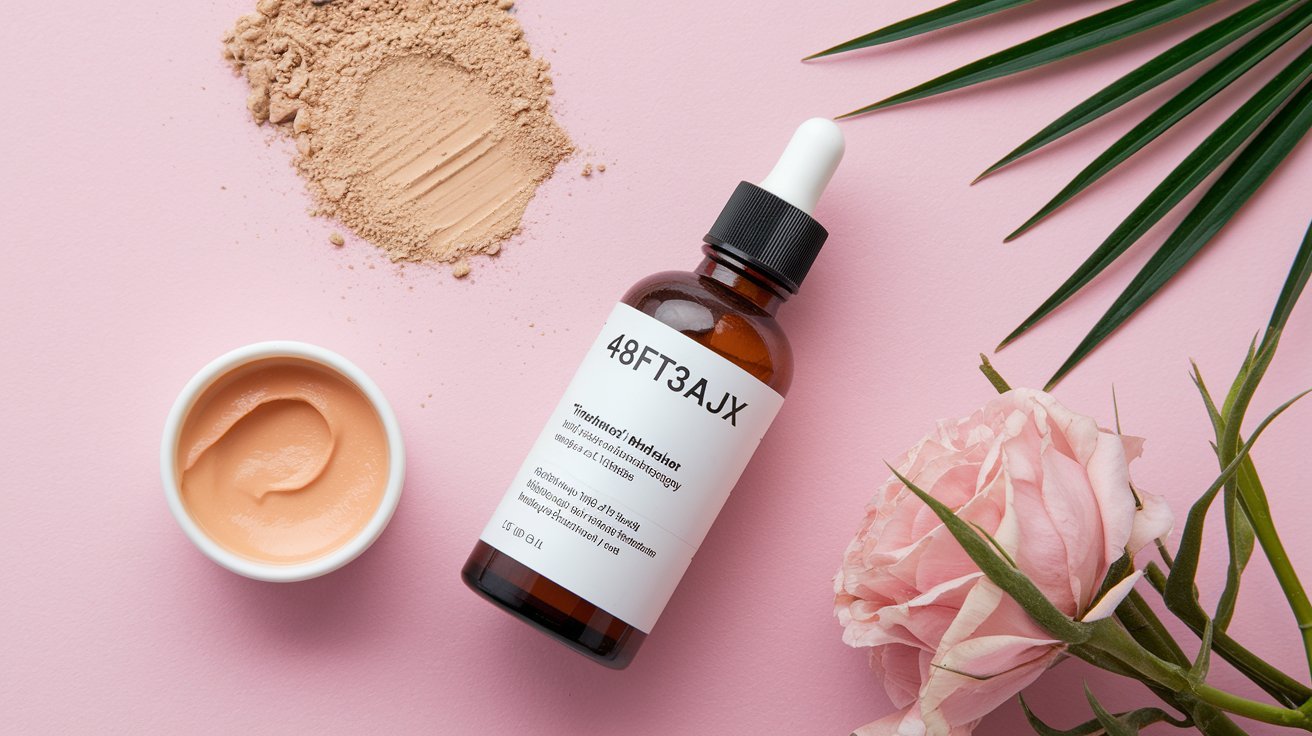
48ft3ajx
Introduction: The Puzzling Code on Your Palette
The mysterious code “48ft3ajx” represents a dangerous breach in cosmetic industry transparency. This alphanumeric string, found on some product labels, signals potentially counterfeit formulations, regulatory violations, and serious quality control failures. Unlike standardized INCI names that ensure consumer safety, such codes hide ingredients and bypass legal requirements. Our investigation reveals how these placeholder codes expose shadow manufacturing practices, unregulated supply chains, and products that may contain harmful or undisclosed substances.
Consumers encountering such codes should immediately stop usage and report to authorities. This exposé uncovers the critical importance of ingredient transparency and provides essential knowledge for identifying legitimate versus suspicious cosmetic products in today’s complex beauty marketplace.
What is 48ft3ajx?
The term “48ft3ajx” is definitively not a cosmetic ingredient. In the regulated beauty industry, ingredients must be listed using standardized International Nomenclature of Cosmetic Ingredients (INCI) names, such as Titanium Dioxide or Glycerin. These names are universally recognized. A code like 48ft3ajx carries no scientific or regulatory meaning in this context. Its presence suggests a profound error, indicating that something has gone awry between a product’s formulation and its final packaging. It is a placeholder that never should have reached the consumer, rendering the ingredient list meaningless and useless for informed decision-making.
Decoding 48ft3ajx: The Mysterious Code Exposing Cosmetic Industry Shadows
An investigative analysis of hidden codes in cosmetic products
| Aspect | Legitimate Cosmetic Ingredient | Code “48ft3ajx” |
|---|---|---|
| Nomenclature | Standardized INCI name (e.g., Mica, Hyaluronic Acid) | Nonsensical alphanumeric string |
| Purpose | Informs consumer of function & safety | No informative value; placeholder or internal code |
| Regulatory Status | Required by law (FDA, EU) for transparency | Represents a regulatory violation |
| Indicates | Transparent manufacturing & compliance | Major quality control failure or counterfeit product |
| Consumer Action | Research and make informed choices | Stop use, report, and discard |
Key Takeaway
Legitimate cosmetic ingredients follow standardized naming conventions (INCI names) that provide transparency about what you’re applying to your skin. Codes like “48ft3ajx” are red flags indicating potential regulatory violations, poor quality control, or counterfeit products.
Always check ingredient lists for standardized names and be wary of products with nonsensical codes or unclear labeling. Your skin health and safety should always come first.
The Standard Language of Beauty: INCI Names
Legitimate cosmetics communicate content through INCI names. This global system ensures that whether you buy a product in Paris or Tokyo, “Mica” refers to the same shimmering mineral. These names inform consumers about function, origin, and potential allergens. For instance, Ci 77491 indicates iron oxide (red). This transparency is non-negotiable for safety and trust. The appearance of a nonsensical alphanumeric sequence like 48ft3ajx shatters this established language. It creates a barrier between the consumer and the knowledge of what they are applying to their skin, violating a fundamental principle of cosmetic regulation and ethical manufacturing.,
Possible Meaning 1: Internal Batch Code Mishap
The most charitable explanation for 48ft3ajx is a labeling error. Manufacturers use internal codes to track batches, production dates, and machine lines for quality control. These codes are vital for recalling defective lots but are strictly for internal use. The appearance of 48ft3ajx on a public label likely means this operational data mistakenly replaced the ingredient list during packaging design or printing. While possibly an innocent error, it reveals shockingly poor quality control. It demonstrates a failure in the final review process, allowing a technical placeholder to become the face of the product’s composition.
Possible Meaning 2: Hallmark of Counterfeit Cosmetics
In the realm of counterfeit makeup, codes like 48ft3ajx are more sinister. Knock-off operations often replicate packaging from popular brands but lack access to formal ingredient lists or compliant labeling practices. A fabricated code can be inserted to mimic the look of technical detail without providing real information. This is a deliberate obfuscation tactic. Consumers purchasing counterfeit luxury products from unofficial online marketplaces may encounter such codes, which mask potentially dangerous contents like heavy metals, unapproved dyes, or unsanitary fillers not fit for human use.
The Transparency Crisis: Why Ingredient Lists Matter
Ingredient lists are a right, not a privilege. They empower consumers with allergies (e.g., to nuts, wheat, or certain preservatives) to avoid harmful reactions. They allow individuals following vegan or cruelty-free principles to make aligned choices. Lists also enable research; a consumer can investigate the function of each component. A code like 48ft3ajx creates an information blackout. It withholds the very data needed for safe consumption, transforming a personal care product into a gamble. This lack of transparency is unethical and, in most regions, illegal.
Regulatory Red Flags: Breaking the Law
In major markets, the law is clear. The U.S. Food and Drug Administration (FDA) and the European Union’s Cosmetic Regulation require ingredients to be declared using common or INCI names. “48ft3ajx” fails this basic requirement. A product bearing such a label is non-compliant, making its sale unlawful. Regulatory bodies can issue warnings, mandate recalls, or even pursue legal action against the responsible company. For the consumer, this regulatory breach is a direct signal that the product exists outside the safeguards designed to protect public health, operating in a non-compliant shadow.
Safety First: The Unseen Risks of Unknown Formulas
Without a true ingredient list, safety assessment is impossible. A product containing 48ft3ajx could harbor anything: prohibited allergens, skin irritants like harsh alcohols, or contaminants from dirty manufacturing processes. The risk of severe reactions contact dermatitis, acne, chemical burns, or long-term sensitization increases exponentially. The code acts as a shield, protecting the manufacturer from liability while exposing the user to potential harm. In cosmetic safety, knowledge is the primary defense; this code deliberately disarms the consumer, making safety a matter of chance rather than certainty.
Case Study: When Fake Codes Make Real Headlines
While “48ft3ajx” is a generic example, real-world parallels abound. Health agencies have issued alerts for cosmetics with incomplete or falsified ingredient lists. Investigations into counterfeit makeup seizures frequently reveal packages with gibberish codes or copied ingredient panels that bear no relation to the actual toxic sludge inside. These products have been linked to lead poisoning, severe eye infections, and horrific skin reactions. Each case traces back to a failure of transparency, where the label did not or would not reveal the dangerous truth of the contents.
Consumer Psychology: The Illusion of Complexity
Some dubious brands may use technical-looking codes to create an aura of advanced, proprietary science. A string like 48ft3ajx might be intended to impress consumers who associate complex alphanumerics with high-tech innovation or pharmaceutical-grade precision. This is a manipulative marketing tactic, exploiting trust in science to obscure a lack of legitimate substance. In reality, truly advanced and stable ingredients have standardized names. Honest science seeks to communicate clearly; obfuscation through fake codes is the antithesis of scientific integrity and consumer respect.
How to Spot a Fraudulent Product Label
Vigilance is key. Beyond spotting a code like 48ft3ajx, check for other warning signs: misspelled ingredient names (e.g., “hyaluronic acid”), blurry printing, the absence of a manufacturer address, or a lack of batch code and expiry date. Compare the packaging to the brand’s official website. If the price seems too good to be true from an unofficial seller, it often is. A legitimate product invests in clear, correct labeling. Any deviation from professional, transparent information should halt the purchase immediately.
The Role of Retailers and Marketplaces
Third-party sellers on large e-commerce platforms are a common source of non-compliant cosmetics. While convenient, these marketplaces can struggle to vet every item. Consumers must practice due diligence, purchasing beauty products from authorized retailers, brand-owned websites, or reputable pharmacies. Retailers themselves have a responsibility to verify the compliance of the goods they stock. Finding a product with a code like 48ft3ajx on a major platform should be reported immediately to the platform’s oversight team to protect other potential buyers.
Steps to Take If You Find 48ft3ajx
If you encounter this code, stop using the product. First, contact the seller for an explanation and a proper ingredient list. If unsatisfied, request a refund. Report the product to the relevant authority, such as the FDA’s Consumer Complaint Coordinator or your national consumer protection agency. This action is crucial for public health. Finally, share your experience on trusted review platforms to warn others. Your vigilance can trigger investigations and prevent others from encountering the same risky, non-compliant product.
Advocating for Change: Demanding Accountability
The existence of products labeled with 48ft3ajx highlights a gap in enforcement. Consumers must advocate for stronger oversight and consequences for labeling fraud. Supporting legislation that increases penalties for counterfeit and mislabeled goods, and choosing to buy only from transparent, ethical brands, drives change. The beauty industry thrives on trust; consumers must demand that this trust be earned through unwavering commitment to clarity and safety, not undermined by cryptic, meaningless codes.
Conclusion: Knowledge as Your Best Defense
The mystery of 48ft3ajx is ultimately solved not by decoding the string itself, but by understanding what it represents: a failure of transparency, a breach of regulation, and a potential risk to health. In the modern beauty landscape, the informed consumer is the most powerful force for change. By rejecting products with unclear labeling, reporting violations, and prioritizing brands that champion ingredient transparency, we can ensure that cryptic codes remain a curious anomaly rather than a common threat. Your skincare and makeup should be a source of confidence, not confusion.
Frequently Asked Questions (FAQs)
1. What is “48ft3ajx” in makeup?
“48ft3ajx” is not a cosmetic ingredient. It is most likely an internal factory batch, lot, or production code that has been mistakenly printed on the product label in place of the legitimate ingredient list. In some cases, it may be a fictitious placeholder used on counterfeit products.
2. Is a product containing “48ft3ajx” safe to use?
No, it is not considered safe to use. The presence of this code means you cannot identify what substances are in the product, preventing you from checking for allergens, irritants, or harmful contaminants. The lack of a proper ingredient list is a primary safety red flag.
3. What should I do if I find this code on a product I own?
Immediately stop using the product. Contact the seller or retailer to request a full, proper ingredient list and a refund. Report the product to your national consumer protection or health regulatory authority (like the FDA). Discarding the product is the safest course of action.
4. Does “48ft3ajx” mean the product is automatically counterfeit?
Not automatically, but it is a strong indicator. While it could be a severe labeling error from a legitimate but poorly controlled manufacturer, this breach is so fundamental that it overwhelmingly suggests an unregulated, non-compliant, or counterfeit product.
5. Are there legal requirements for cosmetic ingredient labeling?
Yes, stringent regulations exist globally. In the U.S., the FDA requires ingredients to be declared using common or INCI names. The EU’s Cosmetic Regulation has identical transparency rules. A code like “48ft3ajx” fails to meet these legal requirements, making the product non-compliant for sale.
You May Also Like: Solo ET: The Complete Guide to Gaming, Future Tech, and Space Exploration
For More Information, visit usbizzbuzz
About the Author


