Tiny Home
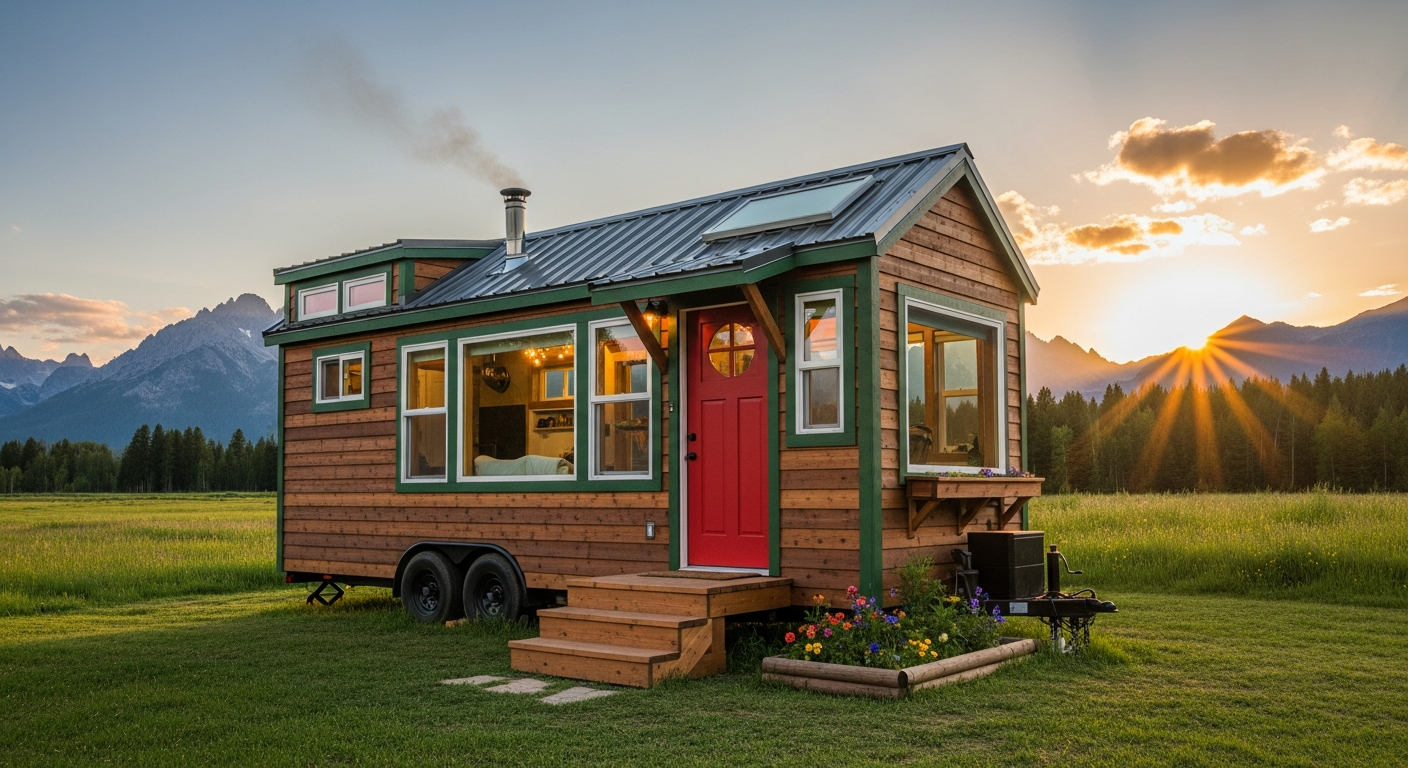
A tiny home is more than just a small house. It is a lifestyle choice designed to simplify life, reduce costs, and provide freedom. Usually ranging from 100 to 400 square feet, tiny homes include all essential living spaces such as a bedroom, kitchen, bathroom, and living area.
Many people choose tiny homes to escape high rent, large mortgages, and cluttered living spaces. Living in a tiny home allows you to focus on what matters most: experiences, relationships, and financial stability. I have seen countless individuals downsize into tiny homes and report lower stress, more savings, and a stronger sense of control over their lives. This guide covers every aspect of tiny home living in a clear, practical way.
What Is a Tiny Home?
A tiny home is a compact, smartly designed house that focuses on efficiency without compromising comfort. Every inch of space is carefully planned, often using lofted beds, foldable tables, and hidden storage. Unlike traditional homes, tiny homes reduce wasted space while maximizing usability.
Tiny homes can be stationary or mobile, built on wheels, on a foundation, prefabricated, or even made from shipping containers. The concept encourages simplicity, minimalism, and intentional living. People who choose tiny homes are often looking for freedom from financial pressure and a lifestyle that values experiences over possessions.
Why Tiny Home Living Is Gaining Popularity
Tiny home living has grown significantly worldwide. Rising housing costs, minimalist trends, and environmental awareness have driven many toward smaller homes. Millennials, retirees, and remote workers are especially attracted to tiny homes due to affordability and flexibility.
Living in a tiny home lowers utility bills, reduces maintenance, and encourages responsible consumption. Mobile tiny homes allow relocation without giving up comfort, appealing to travelers and adventurers. Additionally, downsizing to a tiny home often improves mental well-being. By removing unnecessary possessions, tiny home owners experience less stress and more satisfaction in their daily routines.
Types of Tiny Homes
There are several types of tiny homes, each catering to different lifestyles:
- Tiny Home on Wheels (THOW): Portable homes ideal for mobility and travel.
- Tiny Home on Foundation: Permanent homes that feel like traditional houses but with compact spaces.
- Prefab Tiny Home: Factory-built homes delivered ready to move in, saving construction time.
- Container Tiny Home: Homes built from shipping containers offering modern, durable structures.
Choosing the right type depends on mobility needs, budget, and lifestyle goals. For example, digital nomads prefer tiny homes on wheels, while retirees often opt for prefab or foundation-based tiny homes.
Tiny Home Cost: What to Expect
One of the biggest advantages of a tiny home is affordability. DIY tiny homes can cost between $10,000–$30,000. Prefab tiny homes generally range from $30,000–$70,000, while luxury models may go higher but remain cheaper than traditional homes.
Monthly expenses are also lower. Utilities, water, and maintenance are reduced significantly. Many tiny home owners live mortgage-free, freeing up income for travel, hobbies, or savings. Real-world experiences show that tiny homes often allow owners to achieve financial independence faster than traditional homeowners.
Daily Life in a Tiny Home
Life in a tiny home is simpler but highly organized. With less space, every item must serve a purpose. Cleaning takes minutes, not hours, and maintenance is minimal.
Many tiny home owners report feeling calmer and more focused. Space is used efficiently, encouraging productivity and mindfulness. Cooking, working, relaxing, and socializing happen in the same compact area, teaching residents to appreciate minimalism and intentional living. Downsizing to a tiny home often leads to more time spent outdoors, in social activities, or pursuing hobbies.
Tiny Home Interior Design and Space Planning
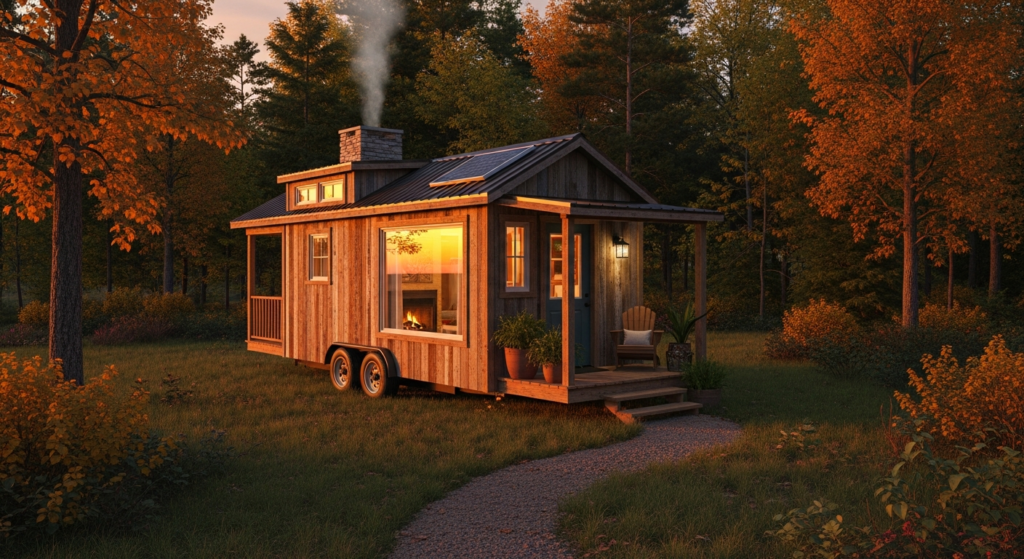
Design is crucial for a comfortable tiny home. Light-colored walls, large windows, and open layouts make small spaces feel spacious. Multifunctional furniture such as foldable tables, loft beds, and hidden storage maximize functionality.
Vertical space, under-bed storage, and wall-mounted shelves create additional room without crowding the home. Proper planning ensures every square foot is utilized efficiently. Many tiny home owners report feeling more at peace because their homes are clutter-free and organized. Good design can make a tiny home feel bigger and more comfortable than many traditional homes.
Prefab Tiny Home: A Beginner-Friendly Option
Prefab tiny homes are built in factories, ensuring high-quality construction and timely delivery. They are ideal for beginners who want a stress-free move. Prefab homes often come with tested layouts, warranties, and reliable materials, making them durable and convenient.
By choosing a prefab tiny home, you avoid construction delays and mistakes. This option allows first-time tiny home owners to enjoy modern comforts without the hassle of building from scratch. Prefab tiny homes are a practical, low-risk way to start living the tiny home lifestyle.
Tiny Home on Wheels: Freedom Lifestyle
A tiny home on wheels offers unmatched mobility and independence. Owners can relocate without leaving home comforts behind. This type is popular among travelers, digital nomads, and adventurous people who value freedom.
Living in a tiny home on wheels encourages minimalism and intentional use of space. Owners often report that the lifestyle provides both flexibility and satisfaction. It’s a practical solution for those who want to combine travel with home ownership.
Environmental Benefits of Tiny Home Living
Tiny homes are eco-friendly by design. Smaller spaces use less energy for heating and cooling, reducing carbon footprints. Many incorporate solar panels, energy-efficient appliances, and water-saving systems.
Minimalist living reduces waste, as residents buy only what is necessary. Construction materials are used efficiently, making tiny homes more sustainable than traditional houses. Choosing a tiny home is a simple, practical way to live sustainably while enjoying modern comforts.
Who Should Choose a Tiny Home
Tiny homes are perfect for singles, couples, retirees, remote workers, and eco-conscious individuals. They appeal to people who value freedom, low costs, and a minimalist lifestyle.
Small families can also benefit if space is carefully planned. However, large households may find tiny homes challenging. Choosing a tiny home is ideal for anyone prioritizing simplicity, flexibility, and intentional living over extra square footage.
Tiny Home vs Traditional House
Traditional houses offer space but come with high costs, maintenance, and bills. A tiny home reduces expenses, saves time, and encourages minimalism.
Tiny home living focuses on essentials, creating freedom and flexibility. While a traditional house may provide more room, a tiny home provides financial control, mobility, and stress reduction. For those seeking efficiency and sustainability, a tiny home is the smarter, future-ready choice.
Storage Solutions in a Tiny Home
Smart storage is essential in a tiny home. Lofted beds, hidden drawers, wall-mounted shelves, and foldable furniture maximize space. Staircases can double as storage. Even outdoor storage solutions provide extra room.
Good storage planning keeps the home organized, functional, and clutter-free. Clever design ensures tiny homes feel spacious and livable despite their compact size.
Common Challenges in Tiny Home Living
Tiny home living has challenges. Space is limited, privacy may be compromised, and zoning laws can restrict placement. Utilities, plumbing, and off-grid setups may require creative solutions.
Adapting to a minimalist lifestyle takes discipline. However, thoughtful design and clever storage solutions can overcome most issues. Despite challenges, many tiny home owners report high satisfaction, freedom, and financial benefits.
Future of Tiny Home Living
Tiny home living is growing worldwide. Rising housing costs, minimalism, and environmental awareness drive demand. Innovations such as solar power, smart appliances, modular construction, and sustainable materials make tiny homes more comfortable and efficient.
Tiny homes are no longer a trend; they are a solution for affordable, flexible, and eco-conscious living. They appeal to a wide audience seeking financial freedom, sustainability, and mobility.
Quik Facts: Tiny Home
| Feature | Details |
| Average Size | 100–400 sq ft |
| Common Types | On wheels, foundation, prefab, container |
| Average Cost | $10,000–$70,000 |
| Lifestyle | Minimalist, flexible, eco-friendly |
| Utilities | Low energy & water use |
| Maintenance | Simple & affordable |
| Ideal For | Singles, couples, retirees, remote workers |
FAQs About Tiny Home Living
1. Why choose a Tiny Home over a traditional house?
Tiny Homes reduce bills, maintenance, and clutter while offering financial freedom and mobility.
2. How much can I save living in a Tiny Home?
Owners save thousands annually through lower utilities, minimal maintenance, and mortgage-free living.
3. Are Tiny Homes suitable for full-time living?
Yes, with smart design and planning, tiny homes offer comfort and functionality for full-time use.
4. Can I live sustainably in a Tiny Home?
Absolutely. Tiny Homes use fewer resources, reduce waste, and often incorporate solar energy.
5. Is a Tiny Home a good investment?
Yes. They save money, retain value, and can generate income as rentals or Airbnb units.
6. Who benefits most from Tiny Home living?
Singles, couples, retirees, remote workers, minimalists, and eco-conscious individuals.
Conclusion: Why Tiny Home Living Is Worth It
A tiny home is a lifestyle choice that reduces stress, saves money, and promotes freedom. Downsizing encourages focus on experiences instead of possessions. Tiny homes provide mobility, sustainability, and financial stability. With smart planning and design, a tiny home offers comfort, efficiency, and long-term happiness. For anyone seeking simplicity, freedom, and a balanced life, choosing a tiny home is a life-changing decision.
You May Also Like: Dowsstrike2045 Python: The Complete Guide to the Concept, Python Security Tools, and Safe Practices
For More Information, visit usbizzbuzz
About the Author