Fenugreek
Fenugreek has emerged as a cornerstone of the modern health revolution, capturing the attention of nutritionists and researchers worldwide. This ancient legume, characterized by its small golden seeds and clover-like leaves, offers a nutritional profile that is difficult to match with synthetic supplements. As more people move toward plant-based lifestyles, this herb provides essential proteins, minerals, and fibers that support various bodily functions.
Its unique chemical composition allows it to bridge the gap between traditional herbalism and contemporary clinical science. By integrating this powerful seed into your daily regimen, you are not just adding flavor to your meals but also investing in long-term metabolic stability. The versatility of this herb makes it an indispensable asset for anyone seeking a holistic approach to their physical well-being and health.
A Deep Dive into the Ancient Origins of the Herb
Tracing the history of this remarkable plant takes us back thousands of years to the fertile lands of the Mediterranean and Western Asia. Civilizations such as Ancient Egypt utilized the seeds for medicinal preparations and even in sacred embalming rituals, recognizing the preservative power of its aromatic oils.
In the Indian subcontinent, it became a fundamental part of Ayurvedic medicine, prescribed to balance the body’s internal energies and treat chronic digestive complaints. As trade routes expanded, the herb traveled to Europe and China, where it was adopted into local pharmacopeias for its warming properties. This rich historical background proves that the benefits we celebrate today are backed by millennia of human experience and successful traditional use across diverse global cultures.
Key Elements and Nutritional Profile of Fenugreek
| Feature | Primary Component / Element | Main Wellness Benefit |
| Soluble Fiber | Galactomannan | Slows sugar absorption and aids weight loss. |
| Vital Minerals | Iron, Magnesium, Manganese | Supports blood health and energy metabolism. |
| Amino Acids | 4-hydroxyisoleucine | Stimulates insulin secretion for glucose control. |
| Phytoestrogens | Diosgenin | Supports lactation and hormonal balance. |
| Bioactive Compounds | Saponins & Flavonoids | Lowers LDL cholesterol and reduces inflammation. |
| Vitamins | Vitamin A, B6, and C | Boosts immune system and skin health. |
| Texture/Form | Seeds, Powder, and Leaves | Provides culinary versatility and topical use. |
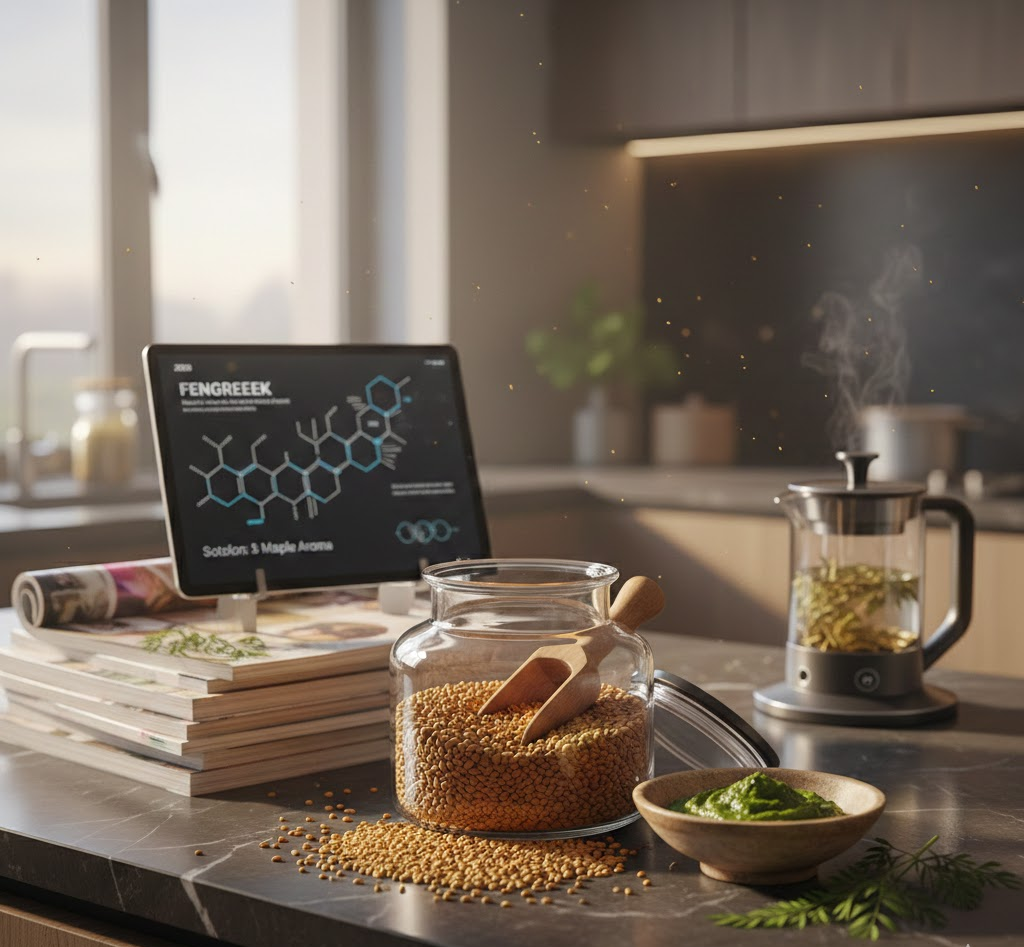
| Aromatic Agent | Sotolon | Responsible for the unique maple-syrup scent. |
Understanding the Nutritional Powerhouse Within the Seeds
When analyzing the biological makeup of fenugreek, one is struck by the dense concentration of vital micronutrients packed into every tiny seed. A single tablespoon contains a significant amount of dietary fiber, iron, and manganese, which are crucial for maintaining healthy blood and bone density. Furthermore, the presence of specialized compounds like saponins and flavonoids provides the plant with its potent anti-inflammatory and antioxidant capabilities.
These elements work synergistically to protect cells from oxidative stress while promoting efficient energy metabolism at a cellular level. For individuals on calorie-restricted diets, the nutrient-to-calorie ratio of this spice is exceptional, offering profound health rewards without adding excessive calories. It truly stands as a testament to nature’s ability to provide complete nutritional solutions in a simple, organic form.
Revolutionary Impact on Blood Sugar and Insulin Sensitivity
One of the most significant reasons for the herb’s popularity is its scientifically proven ability to assist in the management of glycemic levels. The soluble fiber content, specifically galactomannan, plays a vital role in slowing the absorption of carbohydrates and sugars in the digestive tract. This process prevents the rapid insulin spikes that are often detrimental to those with metabolic challenges or type 2 diabetes.
Clinical trials have frequently highlighted that regular supplementation can lead to improved fasting glucose levels and better long-term HbA1c results. By enhancing the body’s natural insulin response, fenugreek acts as a supportive mechanism for metabolic health. This makes it a primary recommendation for individuals looking to manage their sugar levels through dietary interventions alongside their standard medical care.
Natural Support for Lactation and Postpartum Recovery
For generations, new mothers have relied on traditional herbal remedies to support their breastfeeding journey, and this herb remains the gold standard. Functioning as a natural galactagogue, it is believed to stimulate the mammary glands through phytoestrogens that mimic the body’s hormonal signals. Many women report a substantial increase in milk production within just a few days of starting a consistent tea or supplement routine.
Beyond lactation, the iron-rich nature of the seeds helps in replenishing the body’s stores after childbirth, combating the fatigue often associated with the postpartum period. While it is highly effective, it is always recommended to consult with a healthcare professional to determine the appropriate dosage. This natural approach offers a safe and time-tested way to ensure infant nutrition and maternal health.
Promoting Digestive Harmony and Gut Microbiome Health
Digestive issues like bloating, acid reflux, and irregular bowel movements can significantly impact one’s quality of life, but fenugreek offers a soothing solution. The seeds contain a high amount of mucilage, which creates a protective coating over the stomach lining and esophagus, providing relief from the burning sensation of heartburn.
Additionally, the fiber acts as a prebiotic, serving as a food source for the beneficial bacteria living in the gut microbiome. A healthy gut is the foundation of a strong immune system and mental clarity, making this herb a dual-purpose supplement for the body and mind. By facilitating smoother digestion and waste elimination, it helps the body detoxify naturally. Incorporating this into your diet can lead to a more comfortable and efficient digestive process every day.
Boosting Masculine Vitality and Physical Performance
In the competitive world of athletics and fitness, natural performance enhancers are highly valued, and fenugreek has shown great promise in this area. Research suggests that certain compounds within the herb, such as furostanolic saponins, may help maintain healthy testosterone levels in men. This hormonal support can lead to increased muscle strength, improved body composition, and enhanced libido during intense training cycles.
Unlike synthetic alternatives, this plant-based supplement works with the body’s natural chemistry to optimize energy and stamina. Furthermore, its ability to regulate lipid metabolism ensures that the cardiovascular system remains healthy under physical stress. For men looking to maintain their vitality as they age, this ancient spice provides a safe and effective way to support their physical and hormonal health goals.
Holistic Beauty Benefits for Skin and Hair Care
The application of fenugreek extends far beyond the kitchen, serving as a powerful ingredient in natural beauty and personal care routines. When used as a topical paste, the anti-inflammatory properties of the seeds help to calm irritated skin, reduce acne breakouts, and provide a natural radiance. For hair health, the seeds are rich in protein and nicotinic acid, which are essential for repairing damaged hair shafts and stimulating the follicles for faster growth.
Many people use it to treat dandruff and scalp dryness, as its antifungal properties address the root cause of these common issues. By switching to herb-based beauty treatments, you can avoid the harsh chemicals and preservatives found in commercial products. It is a cost-effective and highly efficient way to enhance your natural aesthetic.
Culinary Applications: Adding Depth and Flavor to Recipes
Integrating fenugreek into your culinary repertoire is an excellent way to enjoy its health benefits while exploring complex flavor profiles. The seeds have a slightly bitter, nutty taste that transforms into a sweet, maple-like aroma when toasted or cooked slowly in sauces. In Indian cuisine, the dried leaves are used to add a savory finish to creamy curries, while the fresh greens are sautéed as a nutritious vegetable side dish.
You can also grind the seeds into a fine powder to create custom spice rubs for meats or roasted vegetables. For those who enjoy baking, adding a small amount of the flour to bread dough provides a unique scent and increases the protein content of the loaf. Exploring these diverse cooking methods allows you to make health a delicious part of your life.
Practical Safety Tips and Recommended Usage Guidelines
While the benefits of fenugreek are extensive, it is important to practice mindfulness regarding dosage and potential interactions with other medications. Because of its potent effect on blood sugar and blood thinning, individuals on specific prescriptions should monitor their health markers closely and seek medical advice before starting a high-dose supplement. Pregnant women should generally avoid medicinal amounts, as the herb has historically been used to stimulate uterine contractions.
A common but harmless side effect of high consumption is a maple syrup-like odor in sweat or urine, which is simply a sign of the body processing the herb’s compounds. When stored in an airtight container away from direct sunlight, the seeds and powder will maintain their potency and flavor for many months. Using the herb wisely ensures a safe and rewarding experience.
The Future of Fenugreek: Innovation and Global Expansion
The future of fenugreek is incredibly bright, with the global market projected to grow significantly by 2032. As health-conscious consumers shift toward plant-based wellness, fenugreek is transitioning from a traditional spice to a high-tech nutraceutical staple.
Modern science is currently exploring its potential beyond nutrition, including innovative uses in removing microplastics from water and developing sustainable cosmetic ingredients. With advancements in extraction technology, we will see highly concentrated, debitterized versions of the herb in functional beverages and advanced skincare. Its role as a natural metabolic regulator ensures it will remain a blockbuster ingredient in global preventive healthcare.
Conclusion
fenugreek stands as a remarkable bridge between ancient wisdom and modern scientific validation. Whether you are looking to manage blood sugar, support lactation, or enhance your physical performance, this versatile herb offers a natural and effective solution. While the benefits of fenugreek are extensive, remember to use it mindfully and consult professionals for medicinal dosages.
As we move into an era of personalized nutrition, integrating such nutrient-dense superfoods will be key to sustainable health. By making fenugreek a part of your wellness toolkit today, you are embracing a time-tested legacy of healing and vitality.
Frequently Asked Questions (FAQs)
1. Can fenugreek help with weight loss?
Yes, fenugreek is rich in water-soluble fiber like galactomannan, which increases feelings of fullness and reduces fat absorption, making it an excellent natural aid for weight management.
2. Is it safe to take fenugreek every day?
For most people, consuming fenugreek in culinary amounts is perfectly safe. However, if taking concentrated supplements, it is best to follow recommended dosages to avoid minor side effects like bloating.
3. Does fenugreek really smell like maple syrup?
Yes! Fenugreek contains a compound called sotolon, which has a distinct maple aroma. In high doses, this scent can even appear in your sweat or urine, which is harmless.
4. Can men benefit from taking fenugreek supplements?
Absolutely. Fenugreek is popular in men’s health for its ability to support healthy testosterone levels, improve libido, and enhance physical strength and exercise performance naturally.
5. Are there any people who should avoid fenugreek?
Pregnant women should avoid medicinal doses as fenugreek can stimulate uterine contractions. Additionally, those with peanut or chickpea allergies should be cautious due to potential cross-reactivity.
You May Also Like: Wyrkordehidom: The Ultimate Guide to the Future of Bio-Adaptive Skincare
For More Information, visit usbizzbuzz
About the Author