

Viltnemnda
Norway, renowned for its vast landscapes and diverse wildlife, faces an ongoing challenge in balancing ecological preservation with human development. To manage this delicate balance, Viltnemnda local wildlife committees serve as the backbone of sustainable wildlife conservation efforts across the country.
These committees are crucial for managing animal populations, regulating hunting, and ensuring the health of ecosystems. The following article delves into the role of Viltnemnda, their responsibilities, successes, challenges, and how they contribute to the overall ecological well-being of Norway.
What is Viltnemnda?
Viltnemnda, which translates to “wildlife committee” in English, is a local body in Norway tasked with the management and conservation of wildlife. Each committee operates at the regional or municipal level and is responsible for overseeing the hunting, protection, and sustainable management of wildlife species.
Comprising local experts, including hunters, landowners, environmentalists, and scientists, Viltnemnda ensures that decisions regarding wildlife management are rooted in local knowledge and scientific research. Their efforts are integral to protecting Norway diverse fauna and promoting responsible human interaction with nature.
The History Behind Viltnemnda: A Tradition of Sustainability
The origins of Viltnemnda can be traced back several decades. As urbanization and industrialization grew across Norway, the need for organized wildlife management became increasingly urgent. The first Viltnemnda committees were established in the mid-20th century to address wildlife management challenges resulting from population growth, increased agricultural activities, and habitat destruction.
Over time, these committees became an essential part of Norway conservation framework, helping to maintain the country’s biodiversity while ensuring sustainable land use and hunting practices.
Core Responsibilities of Viltnemnda
The primary responsibility of Viltnemnda is managing wildlife populations. This includes:
- Monitoring animal populations to ensure sustainability.
- Regulating hunting practices by setting quotas, hunting seasons, and restrictions.
- Protecting endangered species and preserving their habitats.
- Collaborating with local stakeholders, including farmers, hunters, and conservationists, to balance wildlife conservation with human needs.
These responsibilities require constant engagement with both local communities and scientific research to ensure that wildlife management efforts are both effective and sustainable.
How Viltnemnda Contributes to Sustainable Wildlife Population Management
One of Viltnemnda key tasks is monitoring the health and population of wildlife species. By regularly assessing animal numbers, these committees can determine whether populations are growing too quickly or are in danger of decline. If necessary, Viltnemnda sets hunting quotas to maintain balanced populations.
They use scientific data and ecological models to predict future population trends, ensuring that species are neither overhunted nor left unchecked. This data-driven approach ensures that Viltnemnda policies are based on the best available evidence and contribute to the long-term health of ecosystems.
Regulating Hunting: Ensuring Ethical Practices Through Viltnemnda
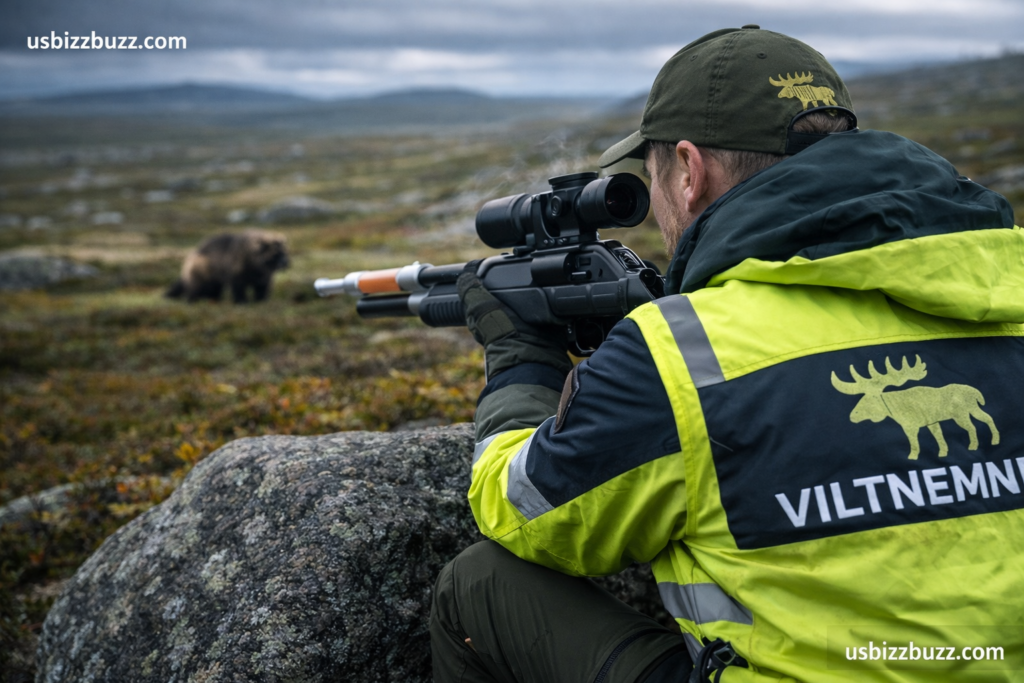
Hunting is a deep-rooted tradition in Norway, but it must be managed sustainably. Viltnemnda plays a crucial role in regulating hunting practices to prevent overhunting and protect vulnerable species. Each committee sets hunting quotas and determines hunting seasons based on population data, ensuring that hunting does not harm wildlife populations.
In addition to setting quotas, Viltnemnda educates hunters on ethical practices, such as ensuring that only healthy, mature animals are targeted and that no species are driven to the brink of extinction.
Viltnemnda and Habitat Conservation: Protecting Wildlife Ecosystems
In addition to managing wildlife populations, Viltnemnda is also responsible for preserving wildlife habitats. This includes working with landowners to protect important ecosystems from degradation due to urbanization, agriculture, or forestry.
Viltnemnda advocates for conservation initiatives, such as the restoration of damaged habitats, reforestation projects, and wetland preservation. By protecting habitats, Viltnemnda ensures that wildlife has the resources it needs to thrive, even in areas under pressure from human activity.
How Viltnemnda Promotes Community Engagement in Wildlife Conservation
A critical component of Viltnemnda’s success is its focus on community involvement. These committees engage local communities in wildlife conservation efforts by hosting educational programs, workshops, and public consultations. Viltnemnda ensures that local stakeholders, such as farmers, hunters, and environmentalists, are involved in decision-making processes.
This collaboration helps to foster a sense of ownership over local wildlife and encourages responsible stewardship of natural resources. By involving local communities, Viltnemnda ensures that wildlife management policies reflect both scientific research and the needs of the people living in these areas.
Decision-Making Processes in Viltnemnda: Balancing Science and Community Needs
Viltnemnda committees base their decisions on a combination of scientific data, local knowledge, and input from stakeholders. This collaborative decision-making process ensures that policies are well-rounded and reflect the complexities of managing both human and wildlife needs.
Viltnemnda committees meet regularly to discuss pressing wildlife issues, review population data, and develop conservation strategies. Transparency is a key feature of their work, and meeting minutes are often shared with the public to build trust and encourage continued community involvement in wildlife management efforts.
Challenges Faced by Viltnemnda in Wildlife Management
Despite their successes, Viltnemnda faces numerous challenges in wildlife management. One significant obstacle is balancing wildlife conservation with human activities, particularly when wildlife impacts agriculture or urban development. For example, wild animals may damage crops or threaten livestock, leading to conflicts between farmers and wildlife conservationists.
Climate change also poses a significant challenge by altering habitats and species behavior, making wildlife management more unpredictable. Moreover, limited resources can make it difficult for Viltnemnda to carry out all of its objectives effectively, requiring prioritization and careful planning.
Climate Change and Its Impact on Viltnemnda Work
Climate change is one of the most pressing challenges faced by Viltnemnda. Rising temperatures, altered rainfall patterns, and habitat loss affect wildlife populations and disrupt ecosystems. For instance, some species may struggle to adapt to changing environments or may migrate to new areas, creating new management challenges.
Viltnemnda has had to adapt its wildlife management strategies in response to these shifts, including revising hunting quotas, protecting new migration routes, and addressing the effects of climate change on species health. This requires increased monitoring, data collection, and flexibility in decision-making.
Viltnemnda Success Stories in Wildlife Conservation
One of the most significant achievements of Viltnemnda has been its success in managing overpopulated species. For example, deer populations in certain areas of Norway have been carefully controlled through regulated hunting, preventing damage to crops and ensuring that the ecosystem remains balanced.
Another success story involves the protection of endangered bird species. Viltnemnda has worked to restore critical habitats for these birds, raising public awareness and providing education on the importance of preserving these species. These examples highlight the effectiveness of Viltnemnda in achieving its conservation goals.
The Importance of Viltnemnda in Norway Sustainable Tourism Industry
Norway wildlife plays a significant role in the country’s tourism industry. Tourists flock to Norway to experience its pristine landscapes and diverse animal species. Viltnemnda contributes to the sustainable development of wildlife tourism by ensuring that wildlife populations are healthy and habitats are preserved.
By regulating hunting and promoting ethical wildlife tourism, Viltnemnda helps maintain a thriving ecosystem that attracts visitors while preventing over-exploitation. This sustainable approach benefits both the local economy and wildlife conservation.
Viltnemnda and its Collaborative Efforts with Other Environmental Organizations
Viltnemnda often collaborates with other environmental organizations and governmental bodies to enhance its wildlife conservation efforts. These partnerships allow for resource pooling, joint research projects, and shared best practices.
For instance, Viltnemnda may work with national wildlife conservation agencies, research institutions, and NGOs to address broader conservation issues, such as species protection and climate change. By fostering collaboration, Viltnemnda ensures that it can access the expertise and support needed to tackle complex environmental challenges.
The Future of Viltnemnda: Adapting to New Challenges
As Norway faces new environmental and ecological challenges, the role of Viltnemnda will continue to evolve. Climate change, habitat destruction, and shifting wildlife populations will require Viltnemnda to adapt its strategies to ensure that wildlife conservation remains effective.
With ongoing community engagement, data-driven decision-making, and strong collaboration with other stakeholders, Viltnemnda will continue to play a crucial role in preserving Norway rich biodiversity. As new challenges arise, these committees will remain at the forefront of Norway efforts to balance human development with wildlife protection.
Conclusion: The Enduring Significance of Viltnemnda
Viltnemnda serves as an essential pillar in the sustainable management of Norway wildlife. Through local knowledge, collaboration, and data-driven policies, these committees ensure the health and stability of ecosystems across the country.
Despite facing challenges such as climate change and balancing human and wildlife interests, Viltnemnda continues to make significant strides in wildlife conservation. As the world’s environmental challenges become more complex, the work of Viltnemnda will remain vital in ensuring the long-term preservation of Norway diverse natural heritage.
FAQs
What is Viltnemnda?
Viltnemnda is a local wildlife committee in Norway responsible for wildlife management, hunting regulations, and habitat conservation.
How does Viltnemnda contribute to sustainable wildlife management?
By monitoring wildlife populations, setting hunting quotas, and protecting habitats, Viltnemnda ensures that wildlife management practices are sustainable and scientifically informed.
Who is involved in Viltnemnda?
Viltnemnda consists of local experts, including hunters, landowners, environmentalists, and scientists, who collaborate to manage wildlife effectively.
What challenges does Viltnemnda face in wildlife management?
Climate change, balancing human interests with wildlife conservation, and limited resources are some of the challenges faced by Viltnemnda.
How does Viltnemnda engage local communities?
Through workshops, public consultations, and educational campaigns, Viltnemnda ensures local communities are involved in wildlife management decisions.
What are some success stories of Viltnemnda wildlife conservation efforts?
Notable successes include the recovery of deer populations, habitat restoration for endangered birds, and successful wolf conservation strategies.
You may also read: AC Milan vs SSC Bari Timeline: The Complete History of a Defining Italian Rivalry
InternetChicks: The Complete Guide to the Creator Economy’s Power Players
For More Information, visit usbizzbuzz
About the Author