

Semana Santa 2025
Imagine a week where entire cities slow down. Streets transform into open-air theaters of music, art, and deep emotion. This is Semana Santa 2025, or Holy Week. It is the most sacred week in the Christian calendar. For millions, it is a time for prayer and reflection. For visitors, it is a powerful cultural spectacle. it’s a living, breathing story of faith, art, and community that takes over entire cities.
For many, Semana Santa is the most important week of the year. It’s a deep religious journey remembering the final days of Jesus Christ. For a traveler, it’s one of the world’s most powerful cultural experiences.
When is Semana Santa 2025? The Essential Calendar
Let’s start with the most practical detail. Semana Santa 2025 follows the lunar calendar, just like Easter does. The week builds towards a powerful climax.
Here is your complete calendar for Semana Santa 2025:
- Palm Sunday (Domingo de Ramos): April 13, 2025. The week begins, celebrating Jesus’ welcome into Jerusalem.
- Holy Monday & Tuesday (Lunes y Martes Santo): April 14-15. More solemn processions begin, setting the reflective tone.
- Holy Wednesday (Miércoles Santo): April 16. The tension builds with some of the most dramatic and ancient processions.
- Holy Thursday (Jueves Santo): April 17, 2025. The mood deepens, commemorating the Last Supper. Processions last into the night.
- Good Friday (Viernes Santo): April 18, 2025. The most solemn day, marking the crucifixion. The most iconic and emotional processions happen today.
- Holy Saturday (Sábado Santo): April 19. A day of quiet vigil and anticipation.
- Easter Sunday (Domingo de Resurrección): April 20, 2025. A joyful explosion of celebration, marking the Resurrection. The mood turns to pure happiness.
Pro Tip for Travelers: The most intense and famous events are from Holy Thursday to Easter Sunday. If you want the full, deep experience, plan to be in your chosen city for these most important days of Semana Santa.
What is Semana Santa? A Simple Explanation of Its Meaning
You might hear “Holy Week,” “Easter Week,” or the Spanish term Semana Santa. They all point to the same thing. But what is it, really?
Semana Santa is an annual commemoration. It walks through the final chapter of Jesus Christ’s life on Earth. The story includes his arrival in Jerusalem, the Last Supper with his disciples, his arrest, crucifixion, and, finally, his resurrection from the dead.
For millions of Christians, especially Catholics, this week is the very heart of their faith. It’s a time for prayer, penance, and gratitude. It’s personal and communal. But to call it only a religious event misses its full picture. Over centuries, this religious core has grown a beautiful, complex shell of culture. It blends history, sculpture, music, and community spirit into a public spectacle like no other. It is both a deeply spiritual inward journey and a breathtaking outward expression.
The Origins & History: How Holy Week Began
To truly appreciate the Semana Santa 2025 you will witness, we must travel back in time. The story starts not in Spain, but in Jerusalem.
The very first roots of Holy Week observances grew in the 4th century. Christian pilgrims in Jerusalem wanted to walk the same path Jesus did during his final days. A woman named Egeria, a pilgrim, wrote about these early services. She described processions from the Mount of Olives into the city. This was the seed. The idea was to make the story physical and real.
This practice slowly spread to Europe through monks and clergy. By the Middle Ages, especially after the Black Death, people across Europe felt a deep need for penance and public displays of faith. In Spain, groups of regular people began forming religious brotherhoods or cofradías. These were not priests, but shopkeepers, artisans, and nobles. They came together for prayer, charity, and to perform acts of penance.
The big change happened in the 16th century. After the Council of Trent, the Catholic Church encouraged making religious stories more dramatic and emotional for everyone. This is when the processions we recognize today were born.
The brotherhoods started taking statues (pasos) from inside their churches out into the streets. This let the whole community participate. The pointed hoods (capirote) served a humble purpose. They hid the wearer’s face, making the act of penance anonymous. It was about faith, not personal recognition.
When Spanish explorers and missionaries sailed to the Americas, they brought these traditions with them. But in Latin America, something beautiful happened. The Semana Santa traditions blended with indigenous cultures. Local art styles, materials, and community customs mixed with the Catholic rituals. This created the vibrant, unique celebrations we see today in places like Guatemala and Mexico. The history shows Semana Santa is not a static museum piece. It is a living tradition that has grown and adapted for over 1,600 years.
The Most Important Days of Semana Santa Explained
Each day of the week has a different feeling and focus. Understanding this will help you choose what to see and feel its significance.
- Palm Sunday(April 13): The emotional starting point. It’s a day of celebration mixed with coming sorrow. People carry palm or olive branches, and the statues of Christ often show him riding a donkey.
- Holy Thursday(April 17): A night of solemnity. This commemorates the Last Supper and the beginning of Christ’s Passion. Processions are often somber, focusing on the agony and betrayal. In many towns, you’ll witness the haunting ceremony of the “Washing of the Feet.”
- Good Friday(April 18): The peak of solemnity. There is no celebration here, only mourning and reflection. The most famous processions, often held in profound silence or with slow, funeral music, happen on this day. The statues depict the crucified Christ and the grieving Virgin Mary.
- Holy Saturday(April 19): A day of waiting. The city is often quiet. The main event is the Easter Vigil Mass after sundown, which starts in darkness and erupts in light.
- Easter Sunday(April 20): The flip side of the coin! The mourning is over. Processions are joyful, with statues of the Risen Christ, white robes, festive music, and smiles everywhere. It’s a public celebration of hope.
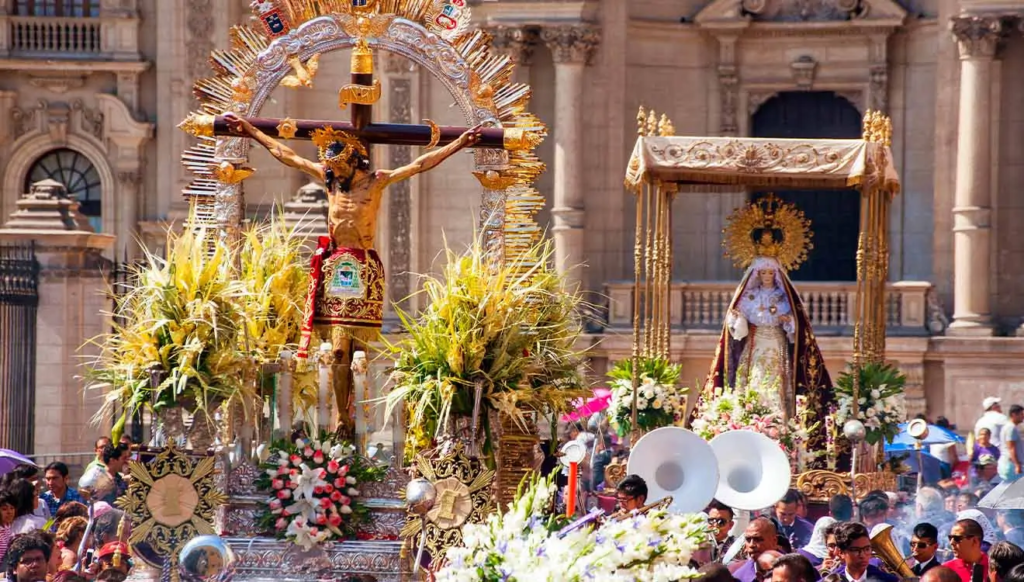
How Spain Celebrates Semana Santa: A Region-by-Region Guide
Experiencing Semana Santa in Spain is a masterclass in tradition. But Spain is not one single stage; each region has its own character. Here’s how to choose:
- Andalusia (The Heart of Drama): This southern region is the most famous.
- Seville: The grand spectacle. It’s massive, emotional, and ornate. Don’t miss La Madrugá (the early hours of Good Friday), the most intense night.
- Málaga: Less solemn, more triumphant. The pasos are enormous and carried proudly with a unique sway. Music is louder and more celebratory.
- Granada: Breathtakingly scenic. Processions wind through narrow streets with views of the Alhambra palace. The silent “Gypsy Christ” procession is legendary.
- Castile (The Soul of Art): In central Spain, the focus is on silent, artistic perfection.
- Valladolid: A museum on the move. Its pasos are considered masterpieces of polychrome wood sculpture by famous artists. The silence is profound.
- Zamora: Known for its antiquity and spiritual gravity. The processions are accompanied by beautiful, medieval Gregorian chants.
- The Canary Islands: A hidden gem. The processions in cities like San Cristóbal de La Laguna in Tenerife are incredibly beautiful and less crowded, with a unique island flavor.
Experiencing Semana Santa in Latin America: A Tapestry of Color
Crossing the ocean, Semana Santa in Latin America absorbs local heart and color, creating something uniquely powerful.
- Antigua, Guatemala: Perhaps the most visually stunning of all. Here, the street is the canvas. Families and communities spend hours creating intricate alfombras (carpets) from colored sawdust, flowers, and fruit. The processions then walk over them, destroying the art in a powerful act of ephemeral beauty. The air is thick with incense and pine scent.
- Taxco, Mexico: Known for its intense, raw faith. Penitents in white robes carry heavy crosses and walk on their knees over cobblestones. Processions last all night, lit only by candles, creating a shadowy, moving tableau of penance.
- Cusco, Peru: A fusion of worlds. The main procession honors the Señor de los Temblores (Lord of the Earthquakes), a revered crucifix. The streets are adorned with red ñucchu flowers, an Inca symbol of life that now represents the blood of Christ, beautifully merging Andean and Catholic traditions.
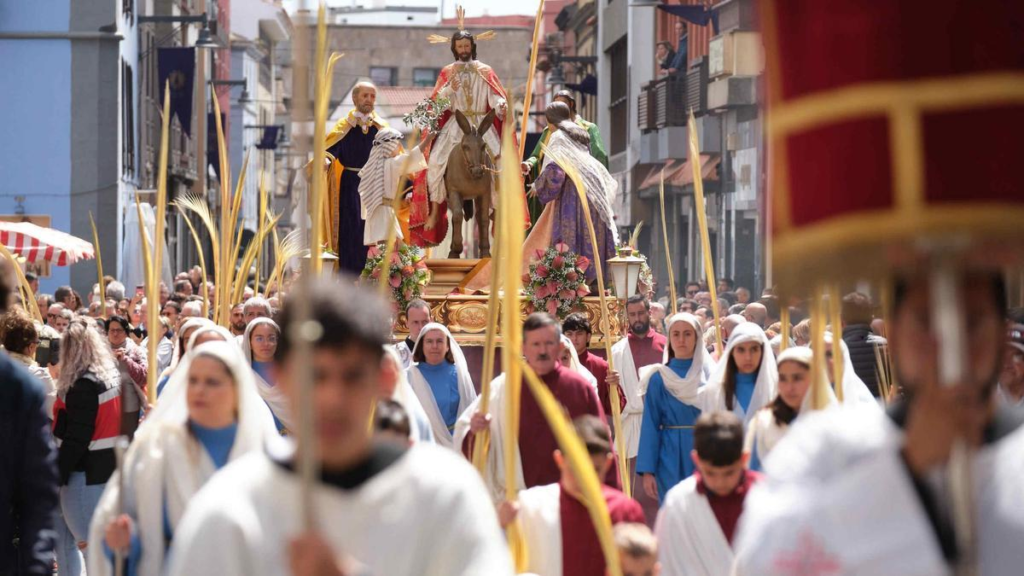
Beyond the Mainstream: Unique Holy Week Traditions
The story doesn’t end in Spain and Latin America. The Philippines offers one of the most extreme expressions.
- San Fernando, Philippines: In the province of Pampanga, some devotees engage in actual crucifixions on Good Friday. While the Church officially discourages this, it persists as a dramatic, literal act of penance and vow fulfillment for a few individuals. It’s a stark, challenging sight that underscores the deep personal devotion this week can inspire.
The Food of Semana Santa: A Delicious Tradition of Abstinence
Food tells the story of the week. Historically, Catholics abstain from eating meat (especially red meat) on Fridays during Lent, and especially on Good Friday. This rule gave birth to a rich, delicious cuisine.
- In Spain:
- Torrijas: The undisputed star. This is Spanish French toast, but richer. Bread is soaked in milk or wine, dipped in egg, fried, and drizzled with honey or syrup. It’s the taste of comfort.
- Potaje de Vigilia: A hearty, humble stew made with chickpeas, spinach, and bacalao (salt cod). It’s filling, nutritious, and deeply traditional.
- Bacalao a la Vizcaína: Salt cod in a rich, sweet red pepper and tomato sauce.
- In Latin America:
- Fanesca (Ecuador): A complex, creamy soup made with 12 different grains and beans (representing the 12 apostles) and salt cod.
- Capirotada (Mexico): A baked bread pudding layered with cheese, raisins, nuts, and a spiced syrup.
- Empanadas de Vigilia: Fish or vegetable-filled pastries.
Eating these dishes connects you directly to the rhythm and history of the week.
Planning Your Trip for Semana Santa 2025: A Step-by-Step Guide
This is not a spontaneous weekend getaway. Planning your trip for Semana Santa 2025 is a project that rewards early effort. Follow these steps:
- Choose Your Destination (Now!): Decide what experience you want. Grand spectacle (Seville)? Artistic solemnity (Valladolid)? Colorful folk art (Antigua)? Your choice dictates everything.
- Book Accommodation (Yesterday!): This is the most critical step. Hotels in prime locations sell out 6-12 months in advance. Book as soon as you pick a city. Consider central apartments or registered guesthouses.
- Secure Travel: Flights and trains also get expensive and full. Lock in your transportation early.
- Study the Horario: Each city publishes an official schedule (horario) of processions, listing times, routes, and brotherhoods. Find it on the city’s tourism website. Use it to plan your daily viewing.
- Pack Strategically:
- Shoes: Comfortable, supportive walking shoes are non-negotiable. You will stand for hours.
- Clothing: Pack layers. April evenings can be cool. Crucially, bring modest clothing for entering churches and showing respect: cover shoulders and knees. A light shawl is perfect.
- Essentials: A small backpack with water, snacks, a portable phone charger, and a foldable stool if you have back issues.
Navigating the Crowds: Tips for Enjoying the Processions
To go from overwhelmed to immersed, use these tips for enjoying the processions:
- Claim Your Spot Early: For a prime view of a major procession, you may need to arrive 2-3 hours early. Bring patience. Locals often bring a small stool.
- Learn the Route: Processions follow a set route from their home church to the cathedral and back. Find a spot on a narrow street for an up-close view, or in a large plaza to see the whole paso turn.
- Observe Etiquette: This is a religious event. Speak quietly. Do not reach out to touch the floats or participants. When the paso passes, you’ll notice some people applaud this is often for the skill of the carriers or the beauty of the Virgin.
- Capture the Moment Wisely: Photos are okay, but be discreet. Never use flash, as it can startle the bearers. Sometimes, it’s better to just watch and absorb.
- Embrace the Silence: The most powerful moments are often the quietest. The silent respect of a crowd of thousands is unforgettable.
A Local’s Insight: Finding the Hidden Moments
Beyond the main routes, seek out these authentic experiences:
- Visit a Brotherhood’s Home Church: Hours before a procession, there’s a buzz inside the church as the nazarenos prepare and the costaleros get ready under the paso. The atmosphere is electric.
- Watch the Costaleros Practice: In the weeks before Semana Santa 2025, you might see groups of men practicing carrying heavy weights in unison in hidden courtyards.
- Eat at a Local Tapas Bar: After the procession passes, follow the locals into a nearby bar for a tapa and a drink. The discussions about the beauty of the palio (the Virgin’s canopy) or the smoothness of the lift are part of the culture.
FAQs
Q1: Is Semana Santa 2025 a good time for a family trip with young kids?
A: It can be challenging but rewarding for older, patient children. The crowds are immense, the days are long, and quiet reverence is required. For young kids, consider smaller towns with shorter processions. Always have a plan for a quick escape back to the hotel.
Q2: What’s the difference between Semana Santa and Easter?
A: Semana Santa is the Holy Week leading up to Easter. It is the period of solemn reflection and penance. Easter Sunday is the joyful final day of that week, celebrating the Resurrection. One is the journey; the other is the destination.
Q3: Are shops and restaurants closed during the week?
A: On the most solemn days, especially Good Friday, many smaller, local shops and businesses may close, particularly in smaller towns. In major tourist cities like Seville or Málaga, most restaurants and shops in the center remain open, but it’s wise to check ahead and have flexible plans.
Q4: As a non-religious person, will I feel out of place?
A: Not at all. A majority of visitors are there for the incredible cultural and artistic spectacle. The key is to be respectful of the fact that, for many around you, it is a profound act of faith. Observe quietly, follow local cues, and you will be welcomed as a spectator.
Q5: What is the weather like, and what should I wear?
A: April weather is generally pleasant but unpredictable. Days can be warm and sunny (low 70s F / low 20s C), while nights can be cool. Pack layers a light jacket or sweater is essential. Most importantly, pack modest clothing for entering churches.
Q6: How can I experience Semana Santa respectfully?
A: Dress modestly, speak in a low voice during processions, never block the path of the paso or participants for a photo, and try to understand the meaning behind what you’re seeing. A little respect goes a very long way.
Conclusion: Your Unforgettable Journey Awaits
Witnessing Semana Santa 2025 is more than sightseeing; it’s feeling history’s heartbeat. You’ll carry the sound of marching drums, the scent of candle wax, and the profound silence of a moved crowd forever. This Holy Week is a powerful story of faith, art, and community waiting for you to join. Don’t just read about it experience it. Start planning your journey today. Book your trip, open your heart, and prepare to be transformed. The memory of this sacred spectacle will stay with you long after the last procession ends.
You May Also Like: Is Spotify Down: The Complete Guide to Outages, Status, and Troubleshooting
For More Information, visit usbizzbuzz
About the Author
