

Nova Scola
Step into the realm of Nova Scola, where education breaks free from traditional limitations. Picture an environment where creativity thrives and learning becomes an exciting journey rather than a mundane task. This groundbreaking approach to education is gaining global attention for its unique fusion of philosophy, curriculum structure, and technology integration. As we delve into the core principles of Nova Scola, get ready to uncover how it’s revolutionizing the future of education. Whether you’re an educator searching for new methods or a parent seeking the best for your child’s development, there’s something here for everyone passionate about embracing educational innovation. Let’s explore together!
Understanding Nova Scola
Nova Scola, which translates to “New School” in Latin, represents a fresh approach to education, one that prioritizes the individual needs of each student while fostering creativity, critical thinking, and real-world application. The core idea behind Nova Scola is to create an environment where students are not just passive recipients of knowledge but active participants in their learning journey. It embraces a learner-centered model, where the curriculum, teaching methods, and assessment strategies are tailored to meet the diverse needs of students. This approach promotes independence, collaboration, and personal growth, ensuring that every student can succeed, regardless of their learning style or background.
The Philosophy Behind Nova Scola
The philosophy behind Nova Scola is rooted in the belief that education should be more than just preparing students to pass exams it should prepare them for life. Traditional education often focuses on memorization and standardization, but Nova Scola challenges this by emphasizing experiential learning, creativity, and critical thinking. It encourages students to become lifelong learners, continuously adapting to new information and changing environments. In essence, Nova Scola is about fostering a mindset of curiosity and resilience, teaching students to approach challenges with a solution-oriented attitude. This philosophy empowers students to think beyond textbooks and prepares them to navigate an ever-changing world with confidence and skill.
Curriculum Design in Nova Scola
The curriculum in Nova Scola is not based on rigid, one-size-fits-all programs. Instead, it is designed to be flexible and adaptable, catering to the specific needs, interests, and strengths of each student. The curriculum is built around key principles of personalized learning, project-based learning, and interdisciplinary studies. Students are encouraged to explore topics that interest them while still covering essential knowledge areas. Nova Scola’s curriculum design ensures that students don’t just learn facts they learn how to apply their knowledge in real-world scenarios. This approach fosters a deeper understanding of the material and prepares students for future academic and professional success by helping them develop critical problem-solving skills.
The Teaching Methods Used in Nova Scola
Teaching methods in Nova Scola are vastly different from traditional classrooms. One of the key approaches used is project-based learning (PBL), which immerses students in real-world problems and challenges them to work collaboratively to find solutions. This method encourages students to think critically, creatively, and independently. Another approach is inquiry-based learning, where students are encouraged to ask questions, explore various viewpoints, and take an active role in their education. Flipped classrooms are also a common practice, where students engage with content at home through digital platforms and spend classroom time discussing and applying their knowledge. These innovative teaching methods allow for deeper learning and better student engagement.
The Role of Technology in Nova Scola
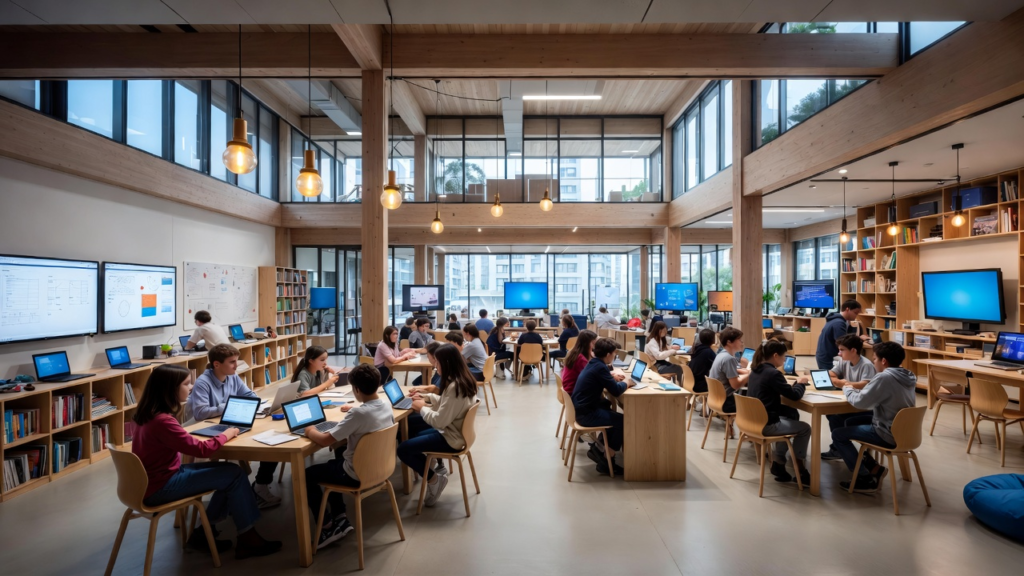
In today’s digital age, technology is essential in education, and Nova Scola fully embraces it. Technology serves as a tool to enhance learning experiences, making education more interactive, accessible, and engaging. Interactive platforms and digital resources enable students to explore topics at their own pace, collaborate with peers, and access a vast array of information. Online learning modules, virtual classrooms, and educational apps are integrated into the Nova Scola model to provide students with a more personalized and flexible learning environment. By leveraging technology, Nova Scola not only makes learning more engaging but also prepares students for the increasingly tech-driven world they will work in.
Benefits of the Nova Scola Approach
The benefits of Nova Scola are vast and far-reaching, making it one of the most promising educational models of the future. First, it encourages personalized learning, which means that each student can progress at their own pace, focusing on areas where they need improvement while advancing quickly in areas where they excel. Nova Scola also promotes collaborative learning, where students work together on projects and learn from each other’s perspectives. Project-based learning ensures that students apply their knowledge to real-world problems, preparing them for future challenges. Furthermore, Nova Scola’s emphasis on critical thinking and creativity fosters problem-solving skills and prepares students to thrive in today’s rapidly changing world. Ultimately, this approach results in more engaged, confident, and capable students.
Challenges and Considerations of Nova Scola
While Nova Scola offers numerous benefits, there are also challenges to its implementation. One major concern is the cost of resources, including the technology, training, and infrastructure required to support a personalized, project-based learning environment. Additionally, some educators and parents may resist the shift from traditional teaching methods, fearing that the new model might be less effective or harder to implement. Furthermore, ensuring equity across different schools and regions is a challenge, as not all institutions have the resources to fully implement Nova Scola’s innovative methods. However, these challenges can be overcome with proper planning, investment, and support from educational authorities.
Nova Scola and Global Education Trends
Nova Scola is not just a localized educational model it aligns with several global trends in education, including personalized learning, technology integration, and the growing focus on 21st-century skills such as critical thinking, creativity, and collaboration. As the world becomes more interconnected and complex, education systems worldwide are recognizing the need to evolve. Nova Scola is at the forefront of this evolution, responding to global challenges such as the need for lifelong learning, the rise of digital literacy, and the importance of soft skills in the workplace. By integrating these global education trends, Nova Scola ensures that students are prepared for a future that is increasingly digital, dynamic, and collaborative.
Future of Nova Scola
The future of Nova Scola is bright, as more schools and institutions begin to recognize the value of innovative, student-centered learning. As the demand for personalized learning continues to grow, Nova Scola’s model will likely become a blueprint for educational reform worldwide. The increasing availability of educational technology, combined with growing interest in project-based learning and collaborative education, suggests that Nova Scola will continue to thrive and evolve. As the education landscape changes, Nova Scola will undoubtedly remain a key player in shaping the future of learning by creating adaptive, resilient, and skilled learners who can succeed in the ever-evolving global landscape.
Pros of Nova Scola
- Personalized Learning: Tailored educational experiences that suit individual learning styles and paces.
- Enhanced Engagement: Project-based learning and technology integration make learning more interactive and engaging.
- Real-World Application: Students work on projects that connect classroom learning with real-world issues.
- Critical Thinking: Focus on developing essential problem-solving and analytical skills.
- Collaboration: Emphasizes teamwork, communication, and interpersonal skills.
Cons of Nova Scola
- High Implementation Costs: Requires significant investments in technology, training, and infrastructure.
- Resistance to Change: Some educators and parents may be hesitant to adopt new methods.
- Equity Issues: Not all schools have the resources to fully implement Nova Scola’s approach.
- Time-Consuming: Project-based learning can require more time and effort to manage compared to traditional models.
Conclusion
Nova Scola represents a groundbreaking shift in how education is delivered, moving away from traditional methods toward a more personalized, flexible, and technology-enhanced approach. By embracing innovation, critical thinking, and real-world problem-solving, Nova Scola equips students with the skills they need to succeed in an increasingly complex world. While challenges remain in terms of resources and widespread adoption, the potential of this model to transform education is undeniable. As Nova Scola continues to grow and evolve, it will play a crucial role in preparing the next generation of learners for success in the 21st century.
FAQs
1. What is Nova Scola?
Nova Scola is an innovative educational model that emphasizes personalized learning, project-based methods, and technology integration to create an engaging, student-centered learning environment.
2. How does Nova Scola differ from traditional education?
Unlike traditional education, Nova Scola tailors learning to the individual needs of students and focuses on creativity, critical thinking, and real-world problem-solving.
3. What are the benefits of Nova Scola?
Nova Scola enhances student engagement, fosters critical thinking, develops problem-solving skills, and prepares students for future challenges by using project-based learning and technology.
4. What challenges does Nova Scola face?
Challenges include high resource demands, resistance to change from traditional systems, and equity issues in schools with fewer resources.
5. How does Nova Scola use technology in the classroom?
Nova Scola integrates technology through digital learning platforms, interactive resources, and virtual classrooms to enhance learning and provide students with a more personalized experience.
6. Is Nova Scola suitable for all types of students?
Yes, Nova Scola caters to diverse learning styles and ensures that students of all backgrounds receive a tailored, supportive learning experience.
You may also read: Why xFi Complete is a Game-Changer for Your WiFi Needs
AC Milan vs SSC Bari Timeline: The Complete History of a Defining Italian Rivalry
For More Information, visit usbizzbuzz
About the Author


