
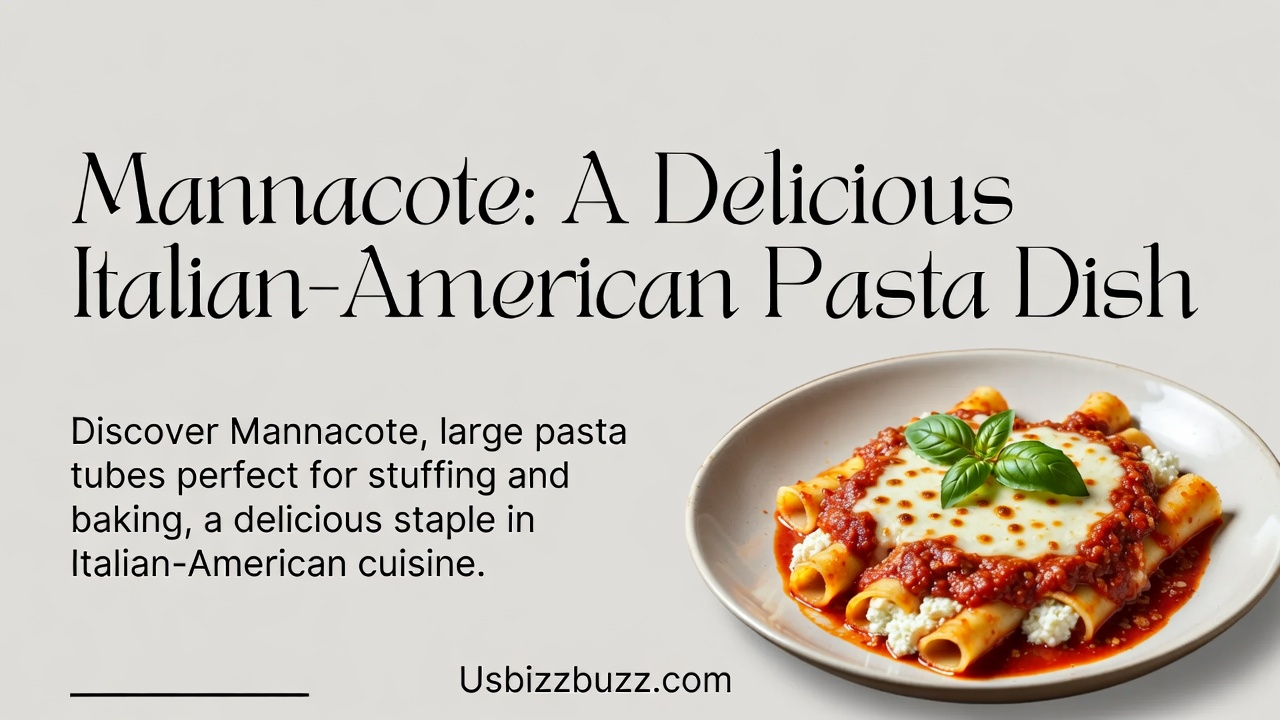
Mannacote
Mannacote is a beloved dish in the Italian-American culinary tradition. This rich and hearty pasta, filled with various fillings such as cheese, spinach, and even meats, offers comfort with every bite. Its name is often confused with other similar stuffed pasta like manicotti, but Mannacote carries its own unique charm. Whether it’s served for a special family gathering or a casual dinner, Mannacote brings warmth and satisfaction to the table.
Mannacote is a simple yet versatile dish, made with dough that holds delicious fillings inside. While manicotti or cannelloni might be more well-known in mainstream culture, Mannacote enjoys a special place in regional Italian-American homes. It’s the perfect combination of tender pasta, creamy filling, and flavorful sauce, all baked together for a mouthwatering experience.
The appeal of Mannacote lies not only in its comforting qualities but also in its adaptability to different fillings and sauces. It’s a perfect meal for people with various dietary preferences, making it ideal for festive gatherings or family dinners. Let’s explore this beloved dish in greater detail, uncovering everything that makes Mannacote a true culinary gem.
What Makes Mannacote Unique: The Origins of This Pasta
Mannacote is a staple in Italian-American cuisine, often mistaken for manicotti. The name itself comes from the Italian word “manica,” meaning “sleeve,” referring to the tube-like shape of the pasta. While it’s not an official Italian term, Mannacote has become synonymous with large, stuffed pasta shells in many American households.
Italian immigrants brought their culinary traditions to the U.S., and over time, certain dishes evolved to fit the American palate. Mannacote is one such evolution, combining the Italian technique of stuffing pasta with the American preference for heartier, filling meals. Although the dish closely resembles manicotti, Mannacote differs slightly in its preparation and regional variations.
This pasta dish became especially popular in Italian-American communities across the northeastern United States. It’s often a family recipe passed down through generations, reflecting the blend of Italian roots and American adaptations. This evolution of Mannacote speaks to the adaptability and creativity within the Italian-American culinary world.
How to Prepare Mannacote: Ingredients and Preparation
Mannacote may seem complex, but the process is straightforward and immensely rewarding. The foundation of Mannacote is the dough, which is typically made from flour, eggs, and salt. This mixture creates a smooth dough that, when rolled out thin, forms delicate pasta sheets. After the dough is prepared, it’s cut into squares or circles, ready to be filled.
The stuffing inside the pasta is where Mannacote truly shines. Ricotta cheese is the traditional base, often paired with spinach, herbs, or even ground meat. You can get creative by adding mushrooms, garlic, or other seasonings to customize the flavor. For a meat-based filling, ground beef, pork, or sausage can add richness to the dish.
Once the filling is ready, the dough is filled with spoonfuls of the mixture. The edges are then sealed tightly, forming little pockets of goodness. Mannacote is boiled until the pockets float, signaling that the pasta is perfectly cooked. After boiling, the stuffed pasta is typically baked with a layer of marinara sauce, offering a tangy contrast to the richness of the filling.
Filling Variations: Making Mannacote Your Own
One of the most delightful aspects of Mannacote is its versatility. The filling can be customized to suit various dietary preferences or flavor profiles. The classic cheese and spinach filling is a favorite among vegetarians, offering a creamy texture and subtle earthy flavor. For a more robust filling, ricotta is often paired with ground beef or pork.
For those looking for a twist, adding mushrooms, eggplant, or roasted peppers to the filling adds an extra layer of depth. Some variations even incorporate seafood, like shrimp or crab, to elevate the dish. The possibilities are endless when it comes to crafting the perfect Mannacote filling.
In addition to traditional Italian herbs such as basil, oregano, and parsley, you can experiment with spices to make the dish more adventurous. For example, a pinch of nutmeg or garlic powder can add an unexpected flavor boost. For a spicier version, a dash of red pepper flakes can infuse heat into the filling.
Mannacote vs. Manicotti: Understanding the Difference
Though Mannacote and manicotti are often used interchangeably, they are not identical. Both dishes are stuffed pasta, but there are key differences. Manicotti is traditionally made from a long, tubular pasta shape that is stuffed with fillings like cheese and spinach. The word “manicotti” literally translates to “big sleeve,” reflecting its tubular form.
Mannacote, on the other hand, refers to stuffed pasta that is often prepared using square or circular pieces of dough that are folded over a filling. It’s sometimes seen as a variation of manicotti but is less widely recognized in traditional Italian cuisine.
In terms of preparation, Mannacote is sometimes made using fresh pasta dough, whereas manicotti is typically made from pre-formed pasta tubes. However, both dishes involve similar ingredients, such as cheese, meat, and vegetables, and are often baked in marinara sauce for a satisfying meal.
While both dishes are equally delicious, Mannacote offers a more customizable and versatile approach to stuffed pasta. The difference may be subtle, but for food enthusiasts, exploring the variations between these two dishes adds an extra layer of intrigue.
The Perfect Sauce Pairing for Mannacote
The right sauce is crucial to elevating Mannacote. The classic choice is a rich marinara sauce, which complements the creamy filling of the pasta. This sauce, made from tomatoes, garlic, onions, and Italian herbs, offers a tangy contrast to the richness of the cheese filling.
For a different twist, consider pairing Mannacote with a creamy alfredo sauce. The buttery, cheesy nature of alfredo enhances the pasta’s filling, making it a truly indulgent dish. Alternatively, a white wine sauce can be used to add a lighter, more sophisticated flavor to the dish, perfect for a dinner party or special occasion.
To add depth to the dish, you can even use a combination of sauces. For example, layering marinara sauce with a drizzle of pesto on top adds a fresh, herbaceous note that pairs wonderfully with the creamy filling. The sauce you choose can truly transform the flavor profile of Mannacote.
Nutritional Benefits of Mannacote: A Balanced Meal
While Mannacote is known for being a comfort food, it can also be part of a balanced diet when prepared mindfully. The pasta itself provides complex carbohydrates, while the cheese filling offers a good source of calcium and protein. By incorporating vegetables like spinach or mushrooms, Mannacote can also provide essential vitamins and minerals.
For those looking to make Mannacote a healthier option, you can modify the recipe. Using whole-wheat pasta adds fiber to the dish, helping to regulate digestion. Additionally, you can reduce the amount of cheese or use lower-fat versions without compromising on flavor.
If you’re looking to add more protein, consider including lean meats like chicken or turkey in the filling. Vegetarian versions, featuring nutrient-dense fillings such as spinach or zucchini, are also a great option. With its wide variety of fillings and sauces, Mannacote can be customized to meet your nutritional preferences.
Why Mannacote Is Perfect for Family Gatherings
Mannacote’s heartwarming nature makes it ideal for family dinners and gatherings. It’s a dish that’s easy to scale up, allowing you to feed a large group without a lot of hassle. The combination of tender pasta, savory filling, and flavorful sauce is universally loved, making it a safe bet for any occasion.
Preparing Mannacote can also be a fun, interactive family activity. Rolling out the dough, filling the pockets, and assembling the dish can be a bonding experience, especially for children. Not only does it create a memorable meal, but it also fosters connection through cooking.
Whether you’re celebrating a holiday, a birthday, or a simple Sunday dinner, Mannacote adds a touch of comfort and joy to the table. It’s a dish that brings people together, creating lasting memories and leaving everyone satisfied.
Conclusion
Mannacote is a culinary treasure that blends tradition and innovation. Its versatility, rich flavor, and ease of preparation make it an ideal dish for any occasion. Whether you enjoy it with a classic marinara sauce or prefer to get creative with fillings and toppings, Mannacote offers endless possibilities.
For those new to Mannacote, the dish provides an exciting opportunity to experiment in the kitchen and discover new flavors. For those who have enjoyed it for years, it’s always a comfort to return to this timeless classic.
So, next time you’re in the kitchen, why not give Mannacote a try? Whether you’re preparing it for a family dinner or a festive gathering, this delightful pasta dish is sure to impress and satisfy every palate. Enjoy the flavors, embrace the tradition, and indulge in the pure joy of Mannacote.
FAQs
1. What is Mannacote?
Mannacote is a delicious Italian-American stuffed pasta dish similar to manicotti. It features large pasta shells filled with a variety of fillings like ricotta cheese, spinach, and meat, then baked in marinara sauce. It’s a versatile, comforting dish perfect for family dinners and festive occasions.
2. How do you make Mannacote from scratch?
To make Mannacote, prepare pasta dough from flour, eggs, and salt. Roll it out into sheets, then cut into squares. Fill with cheese, spinach, or meat, seal the edges, and boil. Bake with marinara sauce for a comforting dish that can be customized with different fillings and sauces.
3. What is the difference between Mannacote and Manicotti?
While Mannacote and manicotti are both stuffed pasta dishes, the key difference lies in their shape. Mannacote uses squares or circles of pasta dough, while manicotti features long, tube-like shells. Both dishes are stuffed with cheese and baked, but Mannacote offers more versatility in preparation.
4. Can Mannacote be made in advance?
Yes, Mannacote can be made in advance. You can prepare the pasta, stuff it, and assemble the dish, then refrigerate it for up to 24 hours before baking. For longer storage, freeze the prepared, uncooked dish and bake it when ready. It’s perfect for meal prep or large gatherings.
5. What sauces pair well with Mannacote?
Mannacote pairs well with a variety of sauces. The classic choice is marinara, but it can also be served with creamy Alfredo, pesto, or white wine sauce. A combination of sauces can also add complexity, such as layering marinara with a touch of pesto for extra flavor.
You may also read: Uvlack Gel Polish: Stunning Shine for 21+ Days
XResolver: What Gamers Need to Know About IP Lookup Tools
For More Information, visit usbizzbuzz
About the Author


