Serumcu
At the same time, one Serumcu post is written as if Serumcu is a “high-performance skincare serum” with benefits like hydration, brightening, and even “boosts collagen production” but it does not provide the information consumers and regulators typically expect from a real SKU (full INCI ingredient list, concentrations, manufacturer identity, batch/lot traceability, substantiation dossier, or peer‑reviewed clinical testing for that named product).
Because of those data gaps, the most rigorous way to treat “Serumcu: A New Standard of Skincare Mastery and Innovation” is as an evidence-based framework: choosing well-studied serum actives (e.g., retinoids, niacinamide, vitamin C, hyaluronic acid) and using them safely within a routine. The strongest clinical evidence in skincare tends to be ingredient‑level, not “trend keyword”‑level and the cosmetic/drug regulatory boundary depends heavily on claims.
Bottom line (for buyers and readers): If Serumcu becomes a real product line later, its credibility will depend on transparent formulation disclosure, safety substantiation, labeling compliance, and ideally clinical testing. Until then, “Serumcu” is best used as a serum mastery concept anchored in proven actives, good manufacturing practices, and compliant claims.
What is Serumcu?
Serumcu positions itself as a destination for skincare lovers seeking guides, ingredient breakdowns, and product insights, with a mission to provide “research‑based” and “easy‑to‑understand” skincare information.
The same site also hosts a post that frames Serumcu as a serum product designed to “rejuvenate, hydrate, and brighten,” claiming it reduces fine lines and “boosts collagen production.” However, the language resembles general serum marketing copy rather than verified product documentation: it references typical serum categories (vitamin C, peptides, hyaluronic acid, botanical extracts) without naming a specific formula or publishing an INCI list or concentrations.
Founding, ownership, and product range: what is verifiable vs not
Verifiable (from Serumcu’s own pages):
Serumcu provides contact information and defines itself as a content resource, with a site-wide disclaimer that results vary and the material is not professional advice.
Not verifiable in accessible primary pages (key data gaps):
There is no clear, auditable public disclosure of founders, legal entity, manufacturing partner, country-of-origin, product SKUs, ingredient lists, batch coding, retail channels, or safety/clinical substantiation for a Serumcu-branded cosmetic sold to consumers.
Interpretation for a “new standard” narrative:
If you want Serumcu to rank as a serious innovation concept, the most defensible approach is to present Serumcu as a method a “serum-first” discipline focused on ingredient literacy, safety, and compliant claims while clearly noting that brand-level product proof is currently limited.
Formulation and active ingredients behind “Serumcu” innovation
In modern skincare, serums typically aim to deliver higher-impact actives in vehicles optimized for penetration, elegance, and stability. The effectiveness of many actives depends less on hype and more on chemistry, pH, packaging, and oxidative stability especially for vitamin C (L‑ascorbic acid) and retinoids.
A high-quality “Serumcu” formulation philosophy would therefore focus on:
– Evidence-backed actives selected for specific concerns (photoaging, hyperpigmentation, acne, dehydration).
– Stability engineering (airless/opaque packaging, antioxidant co‑systems, controlled pH).
– Tolerability design (buffering irritating actives, barrier-support ingredients, fragrance minimization).
“Typical” Serumcu-style actives and how they work
The Serumcu post itself references common actives like hyaluronic acid, vitamin C, peptides, and botanicals. Those ingredients are widely used in serums and have varying levels of evidence depending on concentration, delivery system, and study design.
Across peer-reviewed skincare literature, the most consistently supported serum actives include:
– Tretinoin/retinoids for photoaging markers (fine wrinkles, texture, pigmentation), with irritation risk and onboarding needs.
– Niacinamide (vitamin B3) for hyperpigmentation appearance and barrier support (multiple clinical contexts).
– Topical vitamin C for antioxidant support and pigmentation/brightening effects, with stability challenges.
– Hyaluronic acid serums for hydration/plumpness and short-term smoothing of fine lines related to dehydration.
Table 1: Evidence-based ingredient guide for a “Serumcu” serum routine
| Active ingredient | Primary function in serums | Evidence level (appearance outcomes) | Typical cosmetic concentration (common market ranges) |
| Niacinamide (B3) | Tone-evening support, barrier support, oil regulation | High | ~2–10% (4–5% often studied) |
| L‑ascorbic acid (Vitamin C) | Antioxidant, brightening support; formula-dependent | Moderate–High | ~10–20% (L‑AA); derivatives vary |
| Retinol / Retinal / Retinoids | Photoaging appearance, texture; irritation risk | High (strongest for tretinoin drug data) | Retinol often ~0.1–1% (varies by brand) |
| Hyaluronic acid (multi‑MW systems) | Hydration, plumpness, fine-line appearance via hydration | High (hydration) | Often ~0.1–2% depending on system |
| Peptides (various) | Firmness/line support; evidence varies by peptide | Low–Moderate | Often ~1–3% but highly variable |
| Tranexamic acid | Hyperpigmentation/melasma appearance support | Moderate | Often ~2–5% |
| Azelaic acid | Redness/acne and pigment support (context-dependent) | High (in derm contexts) | OTC up to ~10% common; Rx 15–20% |
Evidence and mechanisms summarized from peer‑reviewed reviews and clinical studies across vitamin C, niacinamide, tretinoin/retinoids, and hyaluronic acid serum research.
Clinical evidence safety and regulatory status
Trial registry check: what we found for “Serumcu”
A targeted search for Serumcu within ClinicalTrials.gov does not surface a clearly Serumcu‑branded cosmetic trial record; instead, results skew toward “serum” and “serum Cu” (serum copper) biomedical studies due to term overlap. In other words, the registry does not provide confirmatory evidence that a named “Serumcu” product has been tested in registered human clinical trials.
This matters because “clinically proven” positioning, if used in marketing, is strongest when backed by traceable protocols, endpoints, and published results or at minimum, transparent study summaries and methods. ClinicalTrials.gov exists specifically to provide public information about clinical studies, but it cannot substantiate products that were never registered or are not identifiable within the registry.
What “dermatologically tested” typically means (and what to look for)
In cosmetics, “dermatologically tested” is not a single regulated grading standard; it often refers to a package of safety evaluations such as irritation/sensitization screening. One historically common tool is the Human Repeated Insult Patch Test (HRIPT); dermatological literature discusses where HRIPT can and cannot meaningfully contribute to safety evaluation.
For microbiological safety, preservation efficacy (challenge testing) is often performed using recognized methods. ISO describes ISO 11930 as a reference method to evaluate cosmetic preservation efficacy in products on the market.
U.S. regulatory context: FDA MoCRA and safety substantiation expectations
Under U.S. law, cosmetics are generally not pre‑approved by FDA, but companies are responsible for safety. FDA’s MoCRA pages describe expanded oversight, including facility registration, product listing, serious adverse event reporting, and safety substantiation records. This is an important “new standard” benchmark: serious brands should be able to show internal safety substantiation and comply with listing/reporting duties where applicable.
FDA also explicitly warns about “drug claims” made for products marketed as cosmetics and explains that drugs require FDA approval for safety and effectiveness, while cosmetics do not. “Structure/function” claims can pull a skincare product into drug territory.
EU Cosmetics Regulation and claims substantiation expectations
In the EU, Regulation (EC) No 1223/2009 establishes a framework to ensure cosmetic products are safe and that responsibilities are clearly assigned (e.g., “responsible person,” traceability, safety controls).
For claims, EU guidance on Commission Regulation (EU) No 655/2013 explains common criteria for cosmetic claims (legal compliance, truthfulness, evidential support, honesty, fairness, informed decision-making) and notes that qualification can be determined case-by-case by authorities/courts.
Market positioning and competitor benchmark
Serumcu’s likely positioning (given the data gaps)
Because Serumcu lacks verifiable SKU-level disclosures, it cannot be credibly positioned on price tiers the way established serum brands can. The most defensible market position right now is: Serumcu as a “serum literacy / smart routine” standard, competing with ingredient‑education ecosystems and “clinical skincare” messaging.
If Serumcu later launches products, its “innovation” claim will compete against:
– budget transparent actives (e.g., The Ordinary),
– premium clinical prestige (e.g., SkinCeuticals), and
– dermatological pharmacy brands (e.g., La Roche‑Posay).
Competitor snapshot: what top serum brands disclose
The Ordinary’s key advantage is upfront active disclosure and low price (e.g., Niacinamide 10% + Zinc 1% listed at about $6–$7 on the official page, depending on size/market).
SkinCeuticals’ C E Ferulic positions as a premium “cult” antioxidant serum, explicitly labeled “with 15% L‑ascorbic acid,” priced at $185 on the official U.S. product page. Industry coverage emphasizes that duplicating performance is not only about matching ingredients but also about formulation processes and packaging.
La Roche‑Posay’s U.S. pages show mid‑premium pricing with “allergy tested” framing (e.g., Hyalu B5 at $39.99; Retinol B3 at $44.99), and include notes that retinol can yellow upon air contact without necessarily impairing tolerance or efficacy—an unusually candid stability‑adjacent disclosure for a mass brand.
Table 2: Competitor comparison
| Dimension | Serumcu (as publicly documented) | The Ordinary | SkinCeuticals | La Roche-Posay |
| Product range | Not verifiable as a purchasable SKU catalog | Broad active-led SKUs | Clinical/prestige antioxidant + treatment line | Dermatological serums + barrier/anti-aging |
| Transparency | No INCI/concentration/batch claims for a Serumcu product | High active disclosure | High on flagship actives (e.g., 15% L-AA) | Moderate-high, with stability notes on retinol |
| Example serum + price (official pages) | Not verifiable | Niacinamide 10% + Zinc 1% ~$6.70 | C E Ferulic 30 ml $185 | Hyalu B5 $39.99; Retinol B3 $44.99 |
| Target audience | Readers/buyers seeking “smart serum routine” | Budget + ingredient-literate consumers | Premium buyers seeking proven antioxidant category leader | Sensitive-skin, derm/pharmacy shoppers |
| “Innovation” angle | Framed as “mastery/philosophy” | Minimalism + concentration clarity | Formulation process + clinical reputation | Tolerability + dermatological testing framing |
Prices and disclosures sourced from official product pages and industry coverage of formulation factors.
What can be claimed responsibly about Serumcu results
Serumcu’s own disclaimer states skincare results vary and the site’s content is educational, which means any “Serumcu will do X” statements should be treated as non-clinical marketing language unless backed by transparent product testing.
Therefore, a rigorous “Serumcu efficacy” section should focus on expected outcomes by active, grounded in peer-reviewed research: – Niacinamide shows measurable improvement in hyperpigmentation appearance and skin lightness in clinical contexts after about 4 weeks in a classic study.
– Tretinoin shows consistent evidence for improving photoaging signs across trials and systematic reviews (with tolerability considerations).
– Hyaluronic acid serum studies show improvements in hydration/plumpness and global facial appearance measures in controlled settings.
Expected timelines (practical guidance for “Serumcu mastery” routines)
A buyer-friendly but evidence-aligned timeline looks like this: – Hydration/plumpness (HA serums): often noticeable quickly (days to 2 weeks), supported by facial serum evaluations.
– Tone-evening (niacinamide; tranexamic acid combos): often 4–8 weeks for visible changes in clinical contexts.
– Fine lines/texture (retinoids): typically 8–12+ weeks with gradual onboarding; irritation management determines adherence.
– Vitamin C brightness/antioxidant support: highly formulation-dependent; stability and reservoir behavior are discussed in scientific and clinical literature and summarized in major expert discourse.
“Reviews” and consumer experience: what we can and cannot synthesize
Because Serumcu does not present a verified product review ecosystem for a purchasable Serumcu SKU, there is no reliable “review synthesis” for Serumcu itself.
What can be responsibly included is how competitor review environments are framed: – La Roche‑Posay product pages note “average rating includes incentivized reviews,” which is a reminder that ratings may be influenced by sampling programs.
– The Ordinary’s product page explicitly states it posts all reviews (positive or negative) and also cites an internal clinical study note for a sample size (“35 subjects”).
For a web-ready Serumcu article, the most credible “consumer experience” insights come from: controlled clinical studies for actives, plus carefully labeled self-reported review patterns (e.g., retinoid irritation, vitamin C oxidation complaints) rather than hard claims about Serumcu outcomes.
GMP and quality systems: what “new standard” should mean operationally
A genuine innovation brand should align its manufacturing controls with recognized GMP frameworks. ISO 22716:2007 provides cosmetics GMP guidelines covering production, control, storage, and shipment; ISO notes it remains current and was confirmed in 2022.
For stability programs, ISO also publishes ISO/TR 18811:2018, a guidance document for cosmetic stability testing approaches. This is particularly relevant for serums containing oxidation-prone molecules (vitamin C) or stability-sensitive actives (retinoids).
Microbiology and preservative efficacy
Cosmetics are not sterile, but they must be safe. ISO describes ISO 11930 as a reference preservation efficacy test for evaluating the antimicrobial protection of cosmetic formulations.
For a Serumcu-branded product to credibly claim “innovation,” it should be able to point to: – preservative efficacy testing (e.g., ISO 11930 or equivalent),
– stability testing (ISO/TR 18811-informed protocols),
– and batch release specifications (micro limits, viscosity, pH, appearance).
Sustainability signals buyers can verify
Because Serumcu does not publicly list sustainability certifications for a product line, the most practical approach is to explain what third‑party marks mean: – Cruelty Free International’s Leaping Bunny program is positioned as a widely trusted cruelty‑free assurance program.
The Vegan Society’s Vegan Trademark is described as an established vegan product certification (established 1990) with a defined registration process.
FSC certification helps demonstrate paper/packaging sourcing from responsibly managed forests, per the FSC’s own packaging guidance.
Table 3: Quick-buy checklist for Serumcu-style serums
| What to check | Why it matters | What “good” looks like | Red flags |
| Full INCI list | Verifies formula and allergens | Complete INCI + allergen disclosure | “Proprietary blend” with no INCI |
| Active disclosure / % | Helps predict potency + irritation | % and active form disclosed | “Medical-grade” without specifics |
| Packaging | Stability for C/retinoids | Opaque/airless for unstable actives | Clear bottle for easily oxidized formulas |
| GMP signals | Predicts consistency | ISO 22716-aligned GMP; traceable manufacturer | No manufacturer identity |
| Preservation & micro safety | Reduces contamination risk | ISO 11930/validated challenge testing | No preservation safety mention for water-based serums |
| Claims discipline | Reduces FDA/EU risk | Appearance-focused cosmetic claims | “Boosts collagen production” without regulatory pathway |
| Ethics labels | Third-party assurance | Leaping Bunny / Vegan Trademark / FSC when claimed | Unverified icons, no cert body |
Framework aligns with ISO GMP principles and FDA claim boundary guidance.
Mermaid timeline suggestion: product development lifecycle
timeline
title Serumcu Product Development Lifecycle (Recommended)
R&D : Identify skin need, competitive gap, ingredient evidence scan
Formulation : Choose actives + vehicle, optimize pH, stability, texture
Testing : Stability (ISO/TR 18811), micro/preservative efficacy (ISO 11930), irritation/sensitization (e.g., HRIPT where appropriate)
Regulatory : Claims review (cosmetic vs drug boundary), labeling/INCI, MoCRA listing (US), Responsible Person + CPNP (EU)
Launch : QA/QC batch release, distribution, post-market monitoring, adverse event handling
Legal and regulatory considerations, plus SEO assets
Claims: the cosmetic vs drug boundary matters
A Serumcu page that says “boosts collagen production” or implies structural change can raise regulatory risk. FDA explains it is concerned about drug claims made for products marketed as cosmetics and that drugs require FDA approval for safety and effectiveness, while cosmetics do not. FDA warning letter summaries reiterate the rule that products intended to affect the structure/function of the body are drugs.
Labeling essentials (U.S. and EU high-level)
FDA’s cosmetics labeling resources emphasize requirements like accurate net quantity statements, identity statements, and name/place of business; cosmetics not labeled in accordance with requirements may be considered misbranded.
In the EU system, product accountability is structured through a Responsible Person and product notification through the CPNP, as described by the European Commission’s portal pages.
High-CTR SEO meta titles
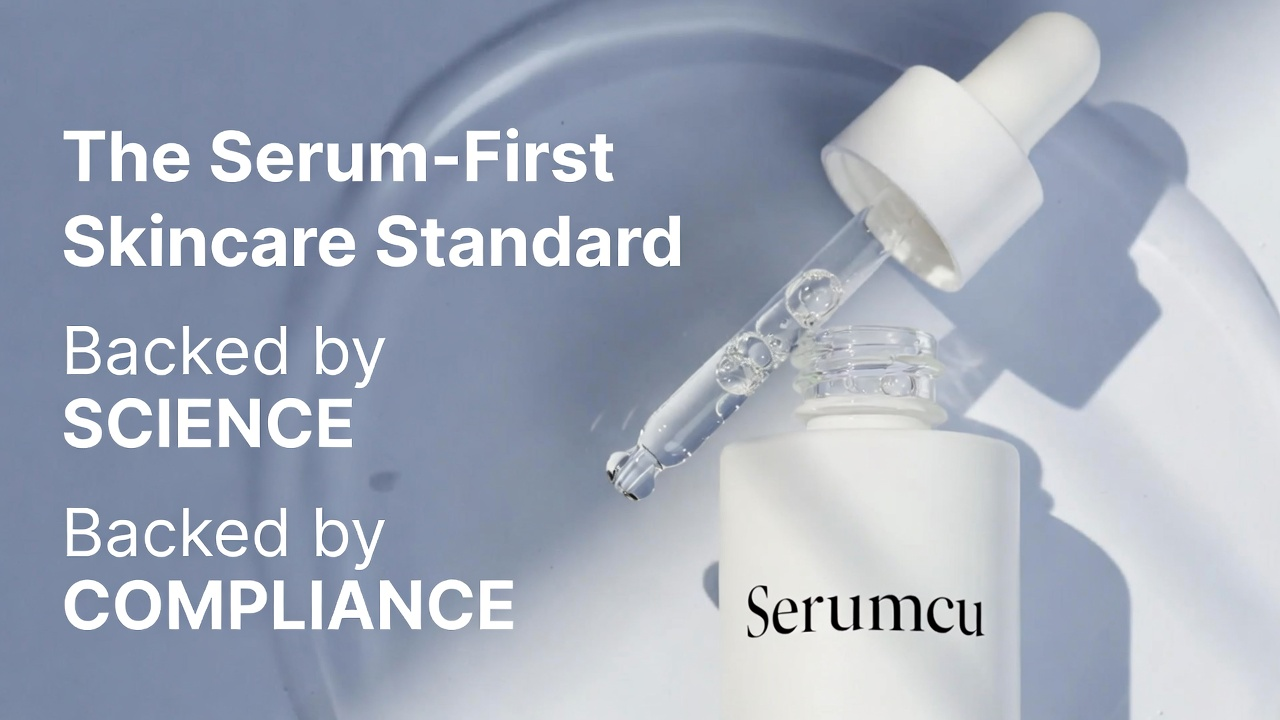
- Serumcu: The Serum-First Skincare Standard Backed by Science and Compliance
- Serumcu Skincare Mastery: Best Actives, Safe Use, and Results Timeline
- What Is Serumcu? A Rigorous Guide to Modern Serum Innovation
- Serumcu vs The Ordinary vs SkinCeuticals vs La Roche-Posay: Which Wins?
- Serumcu Explained: Ingredients, Stability, Testing, and Regulatory Reality
- Serumcu Routine Builder: Vitamin C, Niacinamide, Retinoids, and HA Done Right
- Is Serumcu Legit? How to Verify Serums Like a Pro (INCI, GMP, Lab Proof)
- Serumcu Innovation in Skincare: What’s Proven vs What’s Marketing
- Serumcu Buying Guide: Evidence Levels, Red Flags, and Smart Serum Picks
- Serumcu: A New Standard of Skincare If the Data Supports It
FAQs
What is Serumcu in skincare?
Serumcu is currently best described as a content-led concept focused on serum literacy and routine design; serumcu.com frames itself as a skincare knowledge and guidance destination.
Is Serumcu a real product brand with verified ingredients?
The public Serumcu pages reviewed do not provide a verifiable SKU catalog with full INCI lists and concentrations; claims appear more educational/marketing than product-documentation.
Which Serumcu-style ingredients have the strongest evidence?
Retinoids (especially tretinoin), niacinamide, topical vitamin C (formulation-dependent), and hyaluronic acid have strong or moderate–strong evidence for common cosmetic outcomes.
How long does a Serumcu routine take to show results?
Hydration can improve quickly; pigmentation and texture typically take weeks, and retinoid-driven changes may require 8–12+ weeks.
Can “boosts collagen production” be a risky skincare claim?
Yes. FDA warns that structure/function claims can turn a cosmetic into a drug claim category, triggering different regulatory expectations.
What testing should a high-quality serum have?
Typical safety and quality expectations include stability testing, preservative efficacy/challenge testing, and sensitization/irritation screening (often including HRIPT in some contexts).
What should I check before buying a “Serumcu-level” serum?
Look for INCI transparency, stable packaging, GMP signals (ISO 22716 alignment), and compliant claims.
How does MoCRA affect modern skincare brands in the U.S.?
FDA’s MoCRA resources describe new authorities and requirements including facility registration, product listing, adverse event reporting, and safety substantiation records.
You may also read: Betanden: Unveiling Its Meaning Significance and Modern Applications
Acamento: Decoding a Powerful Concept in a Modern World
For More Information, visit usbizzbuzz
About the Author