
Valplekar
Valplekar, a term originating from Sweden, translates to puppy play and is a method of nurturing your puppy through playful, structured activities. Although the concept may seem simple, it has profound implications for your dog’s growth and behavior. Through Valplekar, puppies learn essential life skills such as confidence, socialization, coordination, and trust, setting the foundation for their development into well-adjusted adult dogs.
Whether you’re a new pet parent or experienced dog owner, understanding Valplekar will help you foster a deeper bond with your puppy and ensure they grow up strong, confident, and emotionally balanced.
In this article, we’ll explore everything you need to know about Valplekar, from its origins to its practical applications, and how to integrate it into your daily routine for optimal results.
What Is Valplekar?
Valplekar, literally puppy play, is a Swedish concept that focuses on using playful activities to help puppies grow and develop in a healthy and balanced way. This method is designed to provide puppies with a safe environment where they can learn critical life skills while enjoying their playtime. Valplekar is not about random games; each activity serves a specific purpose in building confidence, teaching social skills, and enhancing physical health.
While many dog owners think of play as merely a fun break, Valplekar ensures that every play session contributes to your puppy’s overall development. From learning to trust their humans to interacting with other dogs, puppies exposed to structured play tend to exhibit stronger and more well-rounded personalities.
The History of Valplekar: Swedish Tradition Meets Puppy Care
The origins of Valplekar are deeply rooted in Swedish history. In rural Sweden, families relied on their dogs to help with farming and everyday tasks. However, before a dog could become a trusted companion, it had to undergo extensive socialization and training. Early exposure to play was crucial, and families often integrated playful tasks like chasing, retrieving, and following commands while interacting with their puppies. This process created a bond and helped puppies grow into loyal, confident, and competent working dogs.
Over time, this practice of puppy play evolved into a structured method known as Valplekar, which is now practiced worldwide by dog trainers and pet owners alike. This historical foundation highlights the importance of playful, purposeful activities in building a dog’s overall well-being.
Why Valplekar Is Crucial for Your Puppy’s Development
Play serves as the foundation of your puppy’s development. During their early months, puppies experience rapid growth, and the experiences they encounter during this time have a lasting impact. Valplekar plays a central role by helping puppies build essential physical, cognitive, and emotional skills. This structured playtime provides mental stimulation, physical activity, and emotional bonding in a way that nothing else can.
When puppies are engaged in play, they learn critical behaviors such as impulse control, communication, and problem-solving. Moreover, puppies who engage in Valplekar are less likely to develop behavioral problems such as anxiety or aggression. This holistic approach ensures that your puppy grows into a well-adjusted adult dog ready to tackle the challenges of life.
How Valplekar Benefits Your Puppy’s Physical Health
Physical health is one of the most noticeable benefits of Valplekar. Regular play helps puppies develop muscle tone, balance, and coordination. Activities like fetch, tug-of-war, and chasing games not only tire out your puppy but also build their agility, strength, and endurance.
Puppies involved in Valplekar are more likely to develop good body awareness and control. These physical skills will aid them in performing everyday activities and will serve as the foundation for more advanced training in the future. Whether it’s running, jumping, or even climbing stairs, these physical experiences during Valplekar contribute significantly to your puppy’s overall fitness and mobility.
Valplekar for Mental Development: How Play Stimulates Cognitive Growth
Play does not only impact your puppy’s body; it also significantly enhances their mental abilities. Cognitive growth is vital during a puppy’s formative months, and Valplekar offers engaging ways to stimulate their mind. Puzzle toys, hide-and-seek games, and simple command learning through fun activities help improve your puppy’s ability to think critically and solve problems.
By playing interactive games, puppies learn to make decisions, react to stimuli, and process new information. Mental stimulation is crucial for a puppy’s intellectual development, and Valplekar integrates these learning opportunities seamlessly into playtime. The result is a well-rounded puppy who is not only physically strong but also quick-witted and observant.
Socialization through Valplekar: Why It’s Key to a Well-Behaved Dog
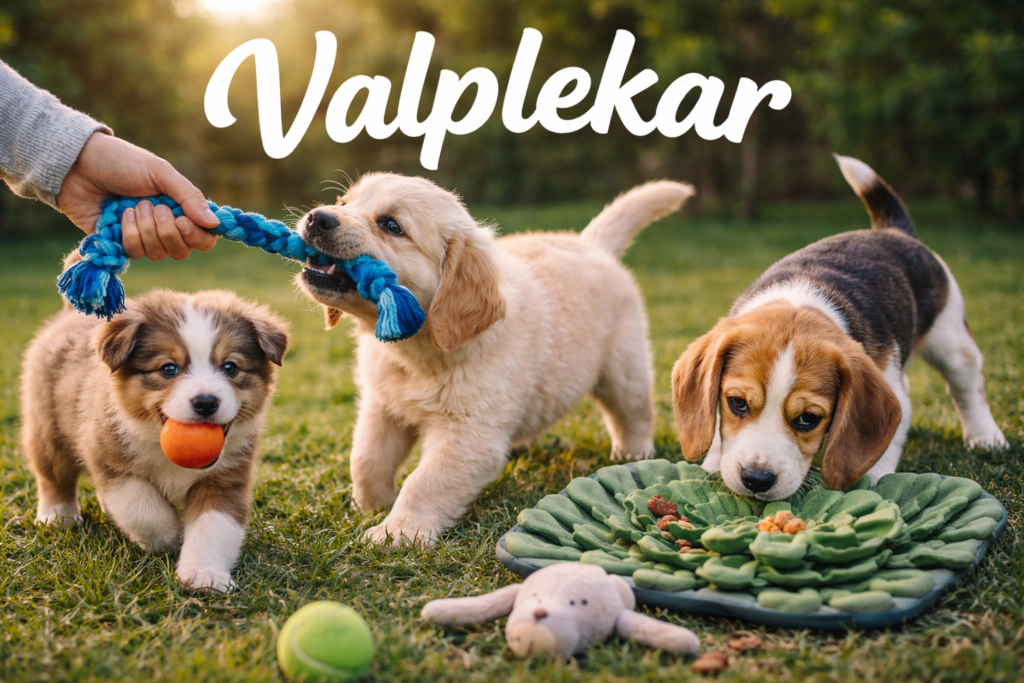
Socialization is a major aspect of Valplekar. Puppies that engage in structured play with other dogs or humans develop essential social skills. They learn how to communicate, establish boundaries, and understand social cues. Without proper socialization, puppies may grow into fearful or aggressive dogs.
During Valplekar, puppies interact with other puppies, adults, and even children, which helps them learn the rules of interaction. Whether it’s playing alongside a friendly dog or meeting a stranger, every play session is a learning opportunity. Early socialization through Valplekar teaches puppies confidence and empathy, key ingredients for becoming well-mannered adult dogs.
Emotional Resilience: Building Confidence through Play
Building emotional resilience is one of the most valuable outcomes of Valplekar. Play helps puppies develop a positive outlook on life, teaching them how to handle excitement, frustration, and new experiences. Puppies that engage in play are more emotionally stable and less prone to fear-based behaviors.
Through regular, positive play sessions, your puppy will learn how to cope with stressful situations, handle social interactions, and regulate their emotions. Confidence is built step by step through every successful play activity, from chasing a ball to learning a new trick. Valplekar ensures that your puppy grows into a calm and confident adult dog.
Physical and Mental Play: How to Combine Both for Best Results
Combining physical and mental challenges in Valplekar activities will result in the most comprehensive developmental outcomes for your puppy. While physical games like fetch build strength, mental games like puzzle-solving help sharpen cognitive skills. A balance of both types of activities ensures that your puppy is developing on multiple levels, making the process both fun and educational.
For example, after a physically engaging game of tug-of-war, you can follow up with a mental challenge like hiding treats around the room. This combination keeps your puppy engaged and ensures a well-rounded growth experience.
Common Valplekar Games and Activities to Try
Here are some of the best Valplekar games that you can start using with your puppy:
- Fetch: Great for exercise and teaching recall.
- Tug-of-War: Excellent for teaching bite inhibition.
- Puzzle Toys: Stimulate your puppy’s mind.
- Hide-and-Seek: Helps with scent tracking and problem-solving.
- Social Play: Let your puppy interact with other dogs in a controlled setting.
Incorporating these games into your puppy’s routine helps them develop the skills they need for long-term success.
Avoiding Overtraining: How to Keep Valplekar Fun and Safe
Although Valplekar is beneficial, it’s important to avoid overtraining your puppy. Play sessions should be short (10-15 minutes) but frequent throughout the day. Puppies have limited energy, and too much activity can lead to exhaustion or frustration. Always monitor your puppy for signs of tiredness or disinterest.
Start slow, and gradually increase the complexity of games as your puppy’s abilities grow. Ensuring that each session is fun and rewarding will prevent burnout and help keep your puppy engaged.
The Role of Valplekar in Preventing Behavioral Issues
One of the greatest benefits of Valplekar is its role in preventing behavioral problems. Play teaches puppies self-regulation, and impulse control while also reducing stress and anxiety. Puppies that engage in regular play are less likely to develop issues like destructive chewing, barking, or separation anxiety.
Moreover, puppies who experience positive interactions during play tend to be less reactive to new situations and people. By engaging your puppy in structured play, you are proactively setting them up for good behavior as they grow.
Valplekar for Different Puppy Ages: Adapting the Play Approach
As your puppy grows, it’s important to adapt Valplekar to their changing needs. Young puppies (under 6 months) benefit from simple games like fetch, chasing, and basic commands. As they age and grow stronger, you can introduce more complex games like agility training and advanced obedience exercises.
Ensuring that each session is age-appropriate guarantees that your puppy is getting the right amount of stimulation for their developmental stage.
Incorporating Valplekar into Daily Life: Making Playtime Consistent
Consistency is key to the success of Valplekar. Integrating play into your daily routine is the best way to ensure lasting benefits. Aim for multiple short play sessions throughout the day, varying the activities to keep your puppy engaged.
You can also reward good behavior during play with treats or praise, reinforcing positive actions and making playtime an opportunity for learning. This consistency will help your puppy understand the connection between play and good behavior.
The Psychological Benefits of Valplekar for Both Puppy and Owner
Valplekar isn’t just good for puppies it also strengthens the bond between pet parent and puppy. Play fosters a deep connection and mutual trust. The positive reinforcement during play helps both parties feel accomplished and satisfied.
For you, seeing your puppy grow and develop through Valplekar brings immense satisfaction and joy. It also provides a stress-relieving break from your daily routine, ensuring that both you and your puppy experience positive mental health benefits.
How Valplekar Enhances Your Puppy’s Training Success
Valplekar is an excellent complement to traditional training methods. Through play, puppies become more receptive to learning, and the positive associations formed during play carry over into obedience training. This approach creates a natural learning environment where your puppy is eager to participate, making it easier for them to learn new commands and behaviors.
Conclusion
Valplekar is not just a playtime activity; it’s a critical developmental tool for puppies that significantly influences their long-term growth. This Swedish-inspired method combines purposeful play with intentional teaching, offering benefits that go beyond fun.
Puppies exposed to Valplekar gain crucial emotional resilience, social skills, and physical agility, setting them up for success as they mature into well-rounded, confident adult dogs. Through structured play, Valplekar strengthens the bond between pet owners and their puppies, turning every play session into a positive learning experience.
By engaging in Valplekar, you’re actively shaping your puppy’s behavior, mental acuity, and physical well-being, while also helping them avoid common behavioral issues like fear-based aggression or anxiety. Consistent implementation of Valplekar is the key to fostering a happy, confident, and obedient puppy that will thrive in any environment. Begin incorporating Valplekar into your daily routine today, and witness the lasting benefits for both you and your puppy.
FAQs
1. How often should I practice Valplekar with my puppy for the best results?
To optimize your puppy’s growth and learning, aim for 2–3 short sessions of Valplekar each day, with each session lasting between 10–15 minutes. Regular and consistent play sessions help reinforce learning and ensure that your puppy receives the full developmental benefits.
2. Can Valplekar help reduce common puppy behavioral issues like chewing, barking, or anxiety?
Yes! Valplekar promotes self-regulation and impulse control, addressing issues like excessive barking, chewing, and separation anxiety. By regularly engaging in structured play, your puppy learns how to manage their emotions, reducing fear-based behaviors and encouraging calm, controlled responses.
3. What age should I start using Valplekar with my puppy?
Valplekar can begin as early as 8 weeks old. At this age, puppies are highly receptive to play-based learning, and incorporating Valplekar into their routine promotes early socialization, mental stimulation, and confidence-building. Tailor the activities to your puppy’s age and developmental stage for optimal engagement.
4. What are the best Valplekar games and activities to engage my puppy in?
Great Valplekar games include fetch, tug-of-war, puzzle toys, hide-and-seek with treats, and socialization playdates with other puppies. These activities combine physical exercise, mental challenges, and social interactions to foster well-rounded development,
5. Does Valplekar replace traditional puppy training or should it be combined with it?
Valplekar complements traditional puppy training rather than replacing it. While obedience training focuses on specific commands, Valplekar works by enhancing your puppy’s confidence, socialization, and emotional balance. Together, these methods provide a comprehensive approach to raising a well-behaved and happy puppy.
You may also read: Block Breaker de Google: A Simple Yet Addictive Game for Everyone
Institute of Data Review: Unveiling the Future of Data Science and Tech Bootcamps
For More Information, visit usbizzbuzz
About the Author


